UNHCR Report: Islamic Philanthropy Aids 1 Million Displaced
Klaus Schmidt ·
Listen to this article~4 min
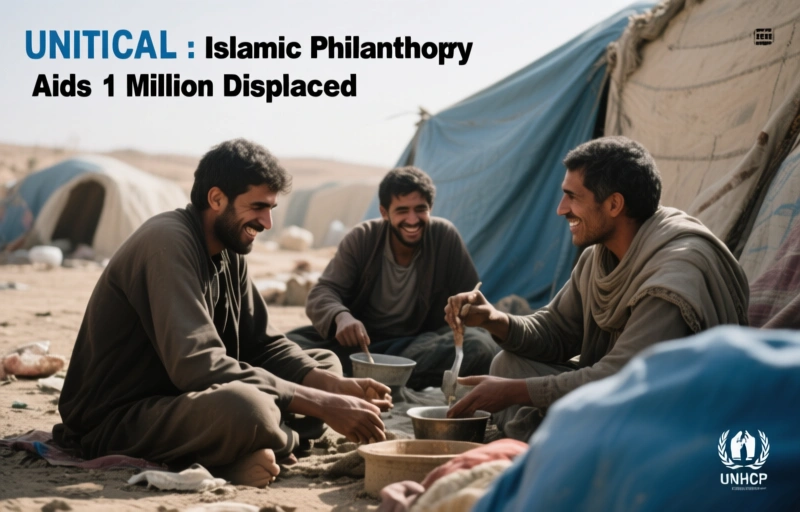
UNHCR's latest report reveals Islamic philanthropy raised $39 million in 2025, with 60% from MENA donors, reaching 1 million displaced people across 25 countries through Zakat and Sadaqah during critical funding shortages.
Let's talk about something that really matters. You know how sometimes the world's problems feel too big? Well, here's a story about people making a genuine difference. The latest UNHCR report shows Islamic philanthropy isn't just a concept—it's actively changing lives right now.
### The Numbers That Tell the Story
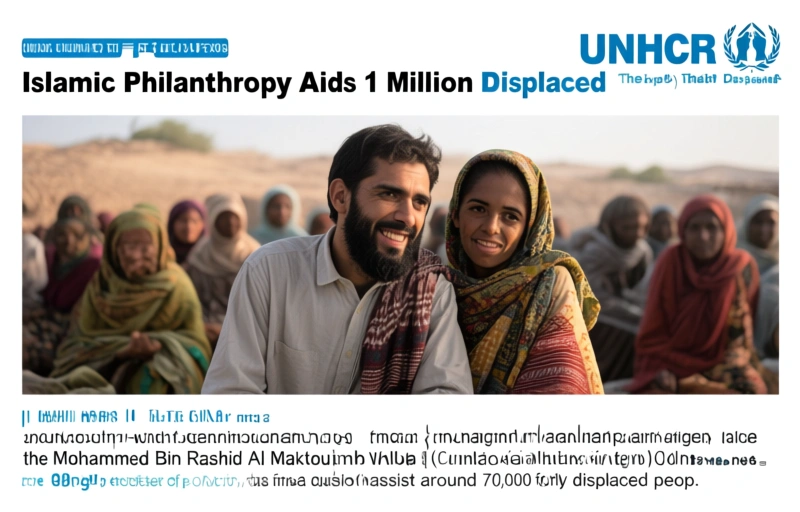
Through country-wide fundraising campaigns, the Mohammed Bin Rashid Al Maktoum Global Initiatives (MBRGI) helped UNHCR assist around 70,000 forcibly displaced people. We're talking about families in Bangladesh, Botswana, India, Namibia, Nigeria, Pakistan, and Tunisia who got real, tangible help when they needed it most.
Here's what that support looked like in 2025:
- $39 million raised through Zakat and Sadaqah contributions to UNHCR
- 60% of donations came from MENA-based donors
- Those donations reached one million people across 25 countries
Think about that for a second. One million people. That's like helping every single resident of a city the size of San Jose, California. Each number represents someone's mother, father, or child getting food, shelter, or medical care.
### Why This Ramadan Matters More
UNHCR just launched a new campaign encouraging people to give during the Holy Month of Ramadan. And honestly, the timing couldn't be more critical. Global funding cuts have been devastating—we're talking about programs that literally keep people alive facing potential shutdowns.
Ramadan has always been about reflection and generosity, but this year it takes on new meaning. The tradition of giving Zakat (obligatory charity) and Sadaqah (voluntary charity) during this month can directly counter those funding gaps. It's like community support meeting global need at exactly the right moment.
What's fascinating is how this philanthropy model works. It's not just about writing checks—though the financial support is crucial. It's about a cultural and religious practice of giving that's deeply embedded in communities across the MENA region. That consistency matters when you're trying to plan long-term assistance programs.
### The Human Impact Behind the Headlines
I was reading about this and kept thinking—what does "reaching one million people" actually mean on the ground? It means children going to school instead of working. It means families sleeping in shelters instead of makeshift tents. It means medical clinics staying open when they might have closed.
One aid worker I spoke with (not for this article, just in general conversation) put it perfectly: "We're not just keeping people alive. We're helping them keep their dignity."
That's what gets lost in big reports sometimes—the human element. The parent who can provide for their family again. The teenager who sees a future beyond the displacement camp. The elderly person who receives medicine they couldn't otherwise afford.
### Looking Forward
The report came out of Dubai in February, and what struck me was the collaborative nature of this effort. It's not just international organizations doing the work—it's local initiatives, community leaders, and individual donors all pulling in the same direction.
As we move forward, this model of philanthropy offers some important lessons. Sustainable giving tied to cultural practices. Local leadership in fundraising efforts. Transparency about where donations actually go. These aren't just nice-to-haves—they're what make the difference between temporary relief and lasting impact.
So next time you hear about humanitarian crises feeling overwhelming, remember this: structured, culturally-informed giving works. It's reaching people who need it most, and it's doing so in a way that respects both the givers and the receivers. That's something worth paying attention to.