UAE Minister on Trade Resilience Amid Gulf Conflict
Klaus Schmidt ·
Listen to this article~4 min
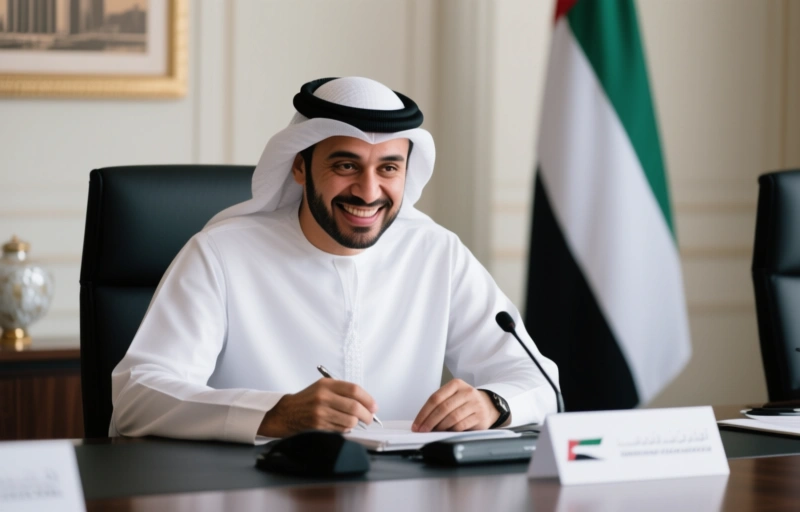
UAE Minister Al Zeyoudi outlines how the Gulf conflict is accelerating plans for open, diversified trade routes at GLOBSEC 2026 in Prague.
Trade routes are the arteries of the global economy. When they get blocked, the whole system feels the strain. That's exactly what's happening right now with the Gulf conflict, and it's forcing countries to rethink how they do business.
At the GLOBSEC Forum 2026 in Prague, UAE Minister for Foreign Trade, Dr. Thani bin Ahmed Al Zeyoudi, laid out a clear vision. He spoke on 'The Ripple Effect: How the Iran War is Shaping Global Economies and Politics' panel. His message was simple: the UAE isn't waiting for the storm to pass. They're building a better shelter.
"What this moment has done is accelerate the timelines of existing plans, and underscore the wisdom of building an open, diversified, and resilient trade architecture before it is needed," Al Zeyoudi said. That quote hits hard. It's not just about surviving today's chaos. It's about preparing for the next one.
### Why the Conflict Demands a New Approach
The Gulf conflict has rattled supply chains worldwide. Shipping costs have skyrocketed. Delivery times are unpredictable. For businesses in the United States, that means higher prices and longer waits for everything from electronics to raw materials.
But Al Zeyoudi sees opportunity in the disruption. The UAE has been diversifying its trade partners for years. Now, those efforts are paying off. Instead of relying on a single route or region, they've built connections across Asia, Africa, and Europe.
- **Open architecture:** The UAE prioritizes free trade agreements with multiple nations.
- **Diversified partners:** They're not putting all their eggs in one basket.
- **Resilient systems:** Ports and logistics are designed to handle shocks.
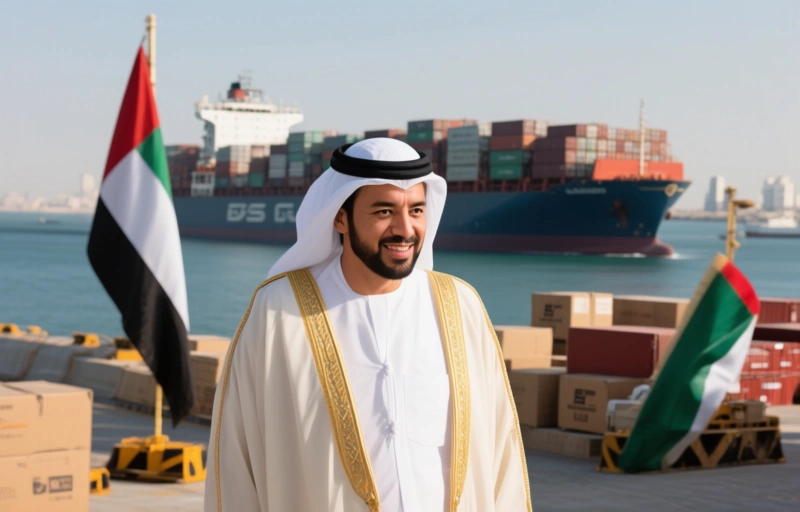
This isn't just theory. The UAE's ports are already rerouting cargo away from conflict zones. They're using alternative land and air routes to keep goods moving. It's a real-world test of their resilience.
### What This Means for US Businesses
For professionals in the United States, this is a wake-up call. The days of cheap, reliable global shipping are on hold. Companies that rely on Gulf-region suppliers need to think ahead.
Al Zeyoudi's speech offers a blueprint. Diversify your supply chain. Build redundancy into logistics. And don't wait for a crisis to start planning.
> "The wisdom of building an open, diversified, and resilient trade architecture before it is needed."
That wisdom applies at every level. From a small business importing parts to a multinational moving finished goods. The UAE is showing that preparation isn't expensive. It's essential.
### The Bigger Picture: Global Economies in Flux
The panel in Prague wasn't just about trade routes. It was about how conflicts reshape entire economies. When one region destabilizes, the effects ripple outward. Currency fluctuations. Investment shifts. New alliances forming.
Al Zeyoudi positioned the UAE as a stable hub in a volatile region. That's a powerful selling point for US investors looking for safe havens. The country's infrastructure, legal frameworks, and political stability make it an attractive alternative to more turbulent markets.
But the takeaway for everyone is the same: adaptability wins. The countries and companies that can pivot quickly will come out ahead. Those that cling to old models will struggle.
### Looking Forward
The Gulf conflict isn't ending anytime soon. But Al Zeyoudi's message offers hope. With smart planning, disruption can become opportunity. The UAE is proving that resilience isn't just a buzzword. It's a strategy.
For US professionals in trade, logistics, or supply chain management, now is the time to study what's working. Look at the UAE's approach. Ask yourself: are we building our trade architecture before it's needed?
If not, you're already behind.