UAE's 2025 Report: Economic Growth & Global Impact
Klaus Schmidt ·
Listen to this article~4 min
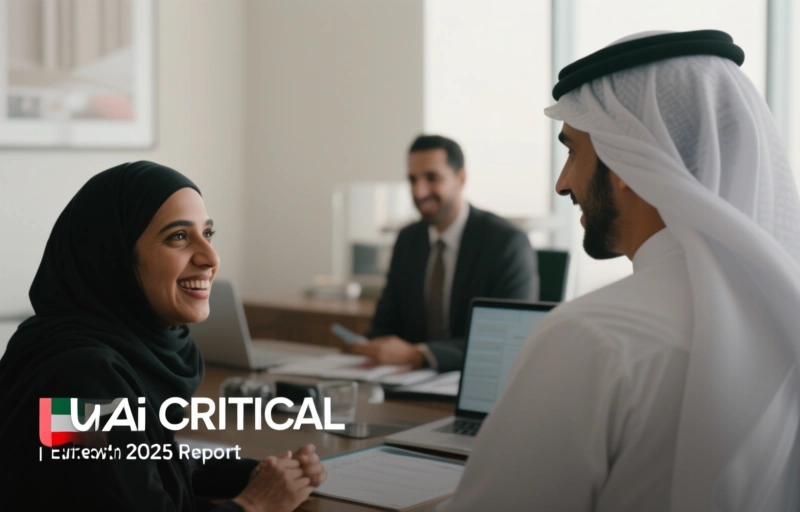
The UAE's 2025 economic report reveals how they're becoming a global connector, integrating sustainable development into their growth strategy and creating tangible outcomes through innovative economic instruments.
So, you're probably wondering what's happening with the UAE's economic strategy these days. Well, the Abu Dhabi Fund for Development just dropped their 2025 annual report, and it's got some pretty interesting insights about how they're positioning themselves globally.
Let's break it down in simple terms. The UAE isn't just thinking about its own backyard anymore—they're actively connecting with markets worldwide. It's like they've become this global bridge, linking their development approach with international opportunities.
### What's the Big Picture Here?
The report makes it clear that sustainable development isn't just a buzzword for them. They've woven it right into their economic DNA. Think about it like building a house where the foundation isn't just concrete, but includes renewable energy systems and community spaces from day one.
Sheikh Mansour bin Zayed Al Nahyan put it well when he said the fund strengthens their role as a "global connector." That's not just diplomatic talk—it means they're actively creating pathways between the UAE and markets everywhere. They're showing that economic stability and sustainable development can actually work together.
### How Are They Making This Happen?
Here's where it gets practical. The ADFD uses what they call "development and economic instruments" to get things done. What does that mean in plain English? Basically, they have specific tools and approaches that:
- Create measurable outcomes (not just promises)
- Enhance their regional standing
- Build international partnerships that last
Sheikh Abdullah bin Zayed Al Nahyan emphasized their commitment to "tangible outcomes." That's important because in development work, sometimes projects can feel abstract or distant. They're focusing on results you can actually see and measure.
### Why Should We Care About This?
You might be thinking, "Okay, but what does this mean for the bigger economic picture?" Well, when a country integrates sustainable development as a "central pillar"—as Mohammed Saif Al Suwaidi described it—they're making a statement about priorities.
It's not just about GDP growth anymore. It's about creating economic systems that:
- Support social development
- Consider environmental impact
- Build resilience for future challenges
This approach actually makes business sense too. Companies and investors are increasingly looking for stable, forward-thinking partners. The UAE's positioning here could attract more international collaboration.
### The Human Element of Economic Strategy
Here's something we don't talk about enough: economic reports usually feel dry and technical. But when you read between the lines of this one, there's a human story. They're talking about supporting "economic and social" development together.
That means they're not just building factories or funding projects. They're thinking about how those projects affect communities, create jobs, and improve lives. It's a more holistic approach than we often see in international development.
### What Comes Next?
The real test will be in implementation, of course. Reports are great, but action matters more. The UAE seems to understand this—they're emphasizing their role as a "model" for others to follow.
That's a bold claim, but if they can demonstrate that their approach actually works in partner nations, it could shift how other countries think about development finance. They're essentially saying, "Here's a way to grow economies while also building sustainable systems."
It's worth watching how this plays out in the coming years. Economic strategies that balance growth with sustainability aren't just nice ideas anymore—they're becoming necessary for long-term success in an interconnected world.
As one development expert recently noted, "The most successful economic models of the future will be those that recognize our global interdependence." The UAE seems to be betting on exactly that principle.