RTA Ramadan Initiatives Impact 10,500 Lives in Dubai
Klaus Schmidt ·
Listen to this article~5 min
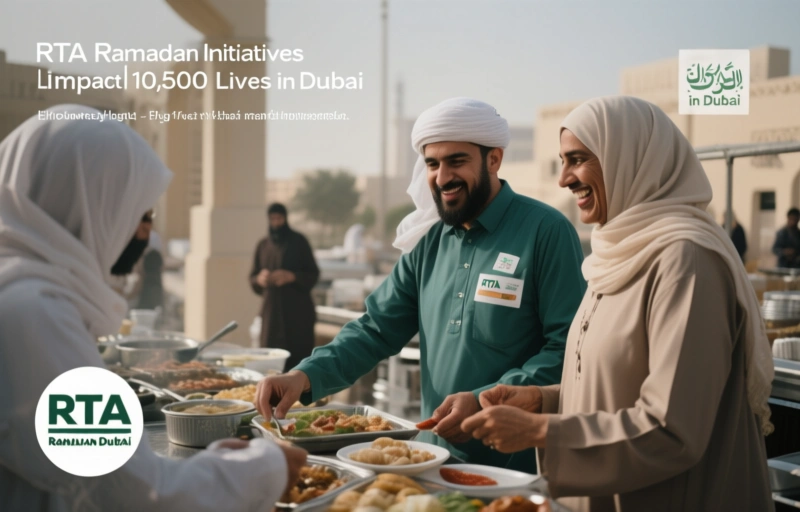
Dubai's RTA impacted 10,500 lives through Ramadan community initiatives focused on solidarity and compassion, partnering with key organizations to strengthen social responsibility across the city.
You know, sometimes it's easy to get caught up in the day-to-day operations of transportation systems—the schedules, the maintenance, the logistics. But every once in a while, a story comes along that reminds us what it's all really about: people. That's exactly what happened during Ramadan 2026 in Dubai, where the Roads and Transport Authority (RTA) showed that their mission extends far beyond moving vehicles.
### The Heart Behind the Numbers
Let's talk about those numbers first, because they're pretty remarkable. The RTA announced that 10,500 people benefited from their community initiatives during the Holy Month. Now, that's not just a statistic—that's 10,500 individual lives touched, 10,500 stories of support during a sacred time of reflection and giving. The theme "Family Is Where We Belong" wasn't just a catchy slogan; it became the guiding principle for everything they did.
What really strikes me is how this wasn't some isolated effort. The RTA has been building toward this kind of community engagement for years, but the 2026 Ramadan initiatives represented something special. They weren't just checking boxes on a corporate social responsibility report—they were actively creating spaces where people could connect, support each other, and strengthen the social fabric of Dubai.
### Building Partnerships That Matter
Here's where it gets interesting. The RTA didn't go it alone. They partnered with some key players who brought different strengths to the table:
- Keolis MHI, who handles Dubai Metro operations and maintenance along with Dubai Tram
- Sobha Realty, bringing their community development expertise
- Noon, contributing their logistics and distribution capabilities
- Beit Al Khair Society, with their deep understanding of community needs
This collaborative approach meant they could reach people in ways that a single organization couldn't. Think about it—transportation experts working with real estate developers and e-commerce platforms, all focused on one goal: supporting the community during Ramadan.
### More Than Just Events
Now, when we hear "community initiatives," we might picture one-off events or temporary programs. But what the RTA created was something more sustainable. They developed programs that reinforced core values—solidarity, compassion, family—values that resonate deeply during Ramadan but matter year-round.
I was particularly impressed by how they integrated these initiatives with Dubai's broader vision. The city has been working toward becoming not just a global business hub, but a community where people genuinely look out for each other. The RTA's Ramadan programs became a living example of that vision in action.
### The Ripple Effect of Compassion
Here's something worth considering: when you help 10,500 people, you're not just affecting those individuals. You're creating a ripple effect. Each person who received support during Ramadan likely went on to support others in their own circles. That's how community strength builds—not through grand gestures alone, but through countless small acts of kindness that multiply.
As one community leader involved in the initiatives noted, "The true measure of these programs isn't in the numbers reported, but in the conversations that continue long after Ramadan ends."
### Looking Beyond Transportation
What this really shows us is how organizations can evolve beyond their core functions. The RTA's primary job is managing roads and transport, sure. But they've recognized that their role in the community is broader than that. They're not just moving people from point A to point B—they're helping move the entire community forward.
This approach creates a kind of virtuous cycle. When people see their transportation authority investing in community wellbeing, they develop deeper trust in the organization. That trust translates into better cooperation, more engagement, and ultimately, a transportation system that works better for everyone.
### The Takeaway for Other Cities
Other cities watching Dubai's example might want to pay attention. This isn't about having a massive budget or unlimited resources—it's about intentionality. It's about asking, "How can we use our position, our partnerships, and our platforms to strengthen our community?"
The RTA's Ramadan initiatives of 2026 offer a compelling answer to that question. They've shown that even organizations with very specific technical functions can become catalysts for social good. They've demonstrated that values like solidarity and compassion aren't abstract concepts—they're practical principles that can guide real-world action.
So next time you're riding the Dubai Metro or driving on one of the city's well-maintained roads, remember that there's more to the story. Behind the infrastructure and the operations, there's an organization thinking about how to build not just better transportation, but a better community for everyone who calls Dubai home.