As we age, the intricate balance of our oral microbiome becomes increasingly critical, not just for our teeth and gums but for our overall biological clock. Recent research suggests that chronic inflammation triggered by periodontal bacteria can accelerate cellular aging, potentially shortening telomeres—the protective caps on our DNA. This means that neglecting oral hygiene might literally speed up the aging process. For those looking to mitigate these risks while also simplifying their living environment, the concept of modern, low-maintenance housing offers a compelling parallel. A streamlined home with fewer nooks and crannies can reduce dust and bacterial accumulation, supporting a cleaner indoor ecosystem that complements a diligent oral care routine. If you are exploring housing options that prioritize easy cleaning, energy efficiency, and a healthier lifestyle, consider how the design of your living space can influence your daily habits. You can find valuable insights on efficient, well-designed homes by visiting prefabwoningkopen, which provides a range of prefabricated solutions that align with a proactive approach to health and wellness. Just as a consistent oral care regimen—including brushing, flossing, and regular dental check-ups—helps combat age-accelerating bacteria, choosing a home that simplifies maintenance can free up time and mental energy for health-focused routines. Ultimately, both your mouth and your home are environments that require thoughtful design to promote longevity and vitality.
Oral Health and Aging: How Bacteria in Your Mouth May Speed Up Time
Klaus Schmidt ·
Listen to this article~6 min
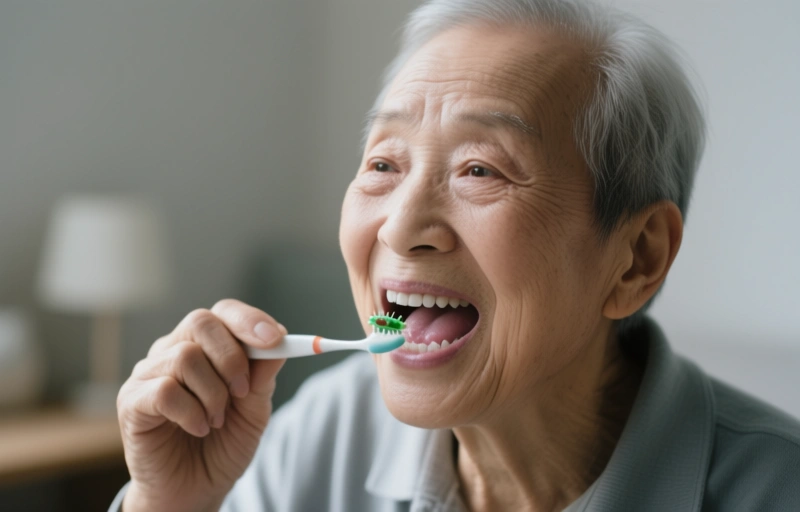
Oral health affects more than your smile. Discover how gum bacteria can influence heart health, brain function, immunity, and even how fast you age. Simple steps to protect yourself.
You probably think of brushing and flossing as something you do for a nice smile. But here's the thing: your mouth is a gateway to the rest of your body. And the bacteria living in it? They might be quietly speeding up how fast you age.
It sounds dramatic, but scientists are starting to connect the dots. Chronic inflammation in your gums doesn't just stay there. It can travel, affecting your heart, your brain, and even your immune system. Think of it like a slow leak in your home's foundation. You don't notice it at first, but over time, it weakens everything.
### The Hidden Link Between Gums and Your Heart
Your heart and your mouth are more connected than you'd guess. When gum disease causes inflammation, bacteria can enter your bloodstream. That triggers your body's immune response, which can lead to artery inflammation. Over years, this raises your risk of heart disease and stroke.
Here's what researchers have found:
- People with gum disease are nearly twice as likely to have heart disease.
- Treating gum inflammation can lower blood pressure markers.
- The same bacteria found in dental plaque show up in arterial plaque.
That's why dentists aren't just worried about cavities. They're worried about your whole cardiovascular system.
### How Oral Bacteria Affect Your Brain
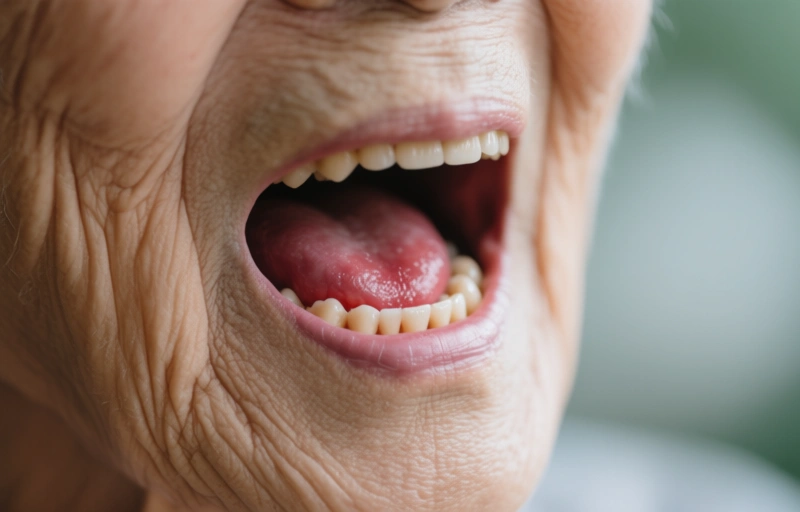
This one might surprise you. The bacteria from your mouth can actually reach your brain through nerve pathways or your bloodstream. Some studies suggest they may contribute to Alzheimer's disease by triggering inflammation in brain tissue.
It's not a direct cause-and-effect thing. But think of it like this: constant low-grade inflammation anywhere in your body is like a fire alarm that never stops ringing. Your brain gets tired, and over time, that wear shows up as cognitive decline.
### Your Immune System Takes a Hit Too
Your immune system is your body's defense team. But when it's constantly fighting gum bacteria, it gets distracted. It's like having a security guard who's too busy chasing mice to notice a burglar at the back door.
Chronic oral inflammation can weaken your immune response to other threats, like colds or infections. That means you might get sick more often and take longer to recover.
### Bone Strength and Aging: A Surprising Connection
Your teeth are anchored in your jawbone. When gum disease progresses, it doesn't just hurt your gums. It can actually destroy the bone that holds your teeth in place. But the effects go beyond your mouth.
Research suggests that the inflammation from gum disease can spread, contributing to bone loss elsewhere in your body. That includes your hips and spine, which are common sites for osteoporosis.
### What You Can Do About It
The good news is that you have a lot of control here. Good oral hygiene isn't just about fresh breath. It's one of the simplest ways to protect your long-term health.
- Brush twice a day with a fluoride toothpaste.
- Floss daily. Yes, every day.
- See your dentist for cleanings every six months.
- Eat a balanced diet low in sugar.
These steps reduce the bacteria in your mouth and lower inflammation. It's not complicated, but it takes consistency.
### The Bottom Line
Your mouth isn't separate from the rest of your body. It's all connected. Taking care of your teeth and gums is really taking care of your heart, your brain, your bones, and your immune system. And it might just help you age a little slower.
So next time you reach for your toothbrush, remember: you're not just fighting cavities. You're investing in your long-term health.