Minimally Invasive Surgery Treats Complex Spine TB
Klaus Schmidt ·
Listen to this article~3 min

A 29-year-old patient avoided permanent paralysis thanks to advanced minimally invasive surgery for spinal TB at SEHA's Madinat Zayed Hospital. Learn how precision care saved the day.
When you hear about spinal tuberculosis, it sounds like something out of a medical drama. But for one 29-year-old patient in the Al Dhafra region, it was a terrifying reality. Thanks to a team at SEHA's Madinat Zayed Hospital, a complex thoracolumbar TB spine infection was treated with advanced minimally invasive surgery, preventing permanent neurological damage. Let's break down what happened and why it matters.
### The Case: A Young Patient at Risk
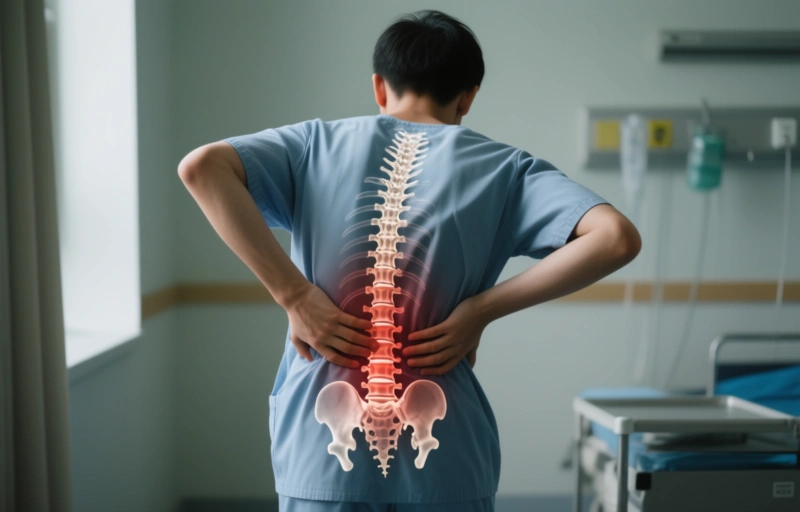
The patient walked in with severe back pain that just wouldn't quit, along with sciatica and progressive neurological issues like spinal ataxia—basically, trouble with coordination and balance. This wasn't just a bad back; it was a ticking time bomb. If left untreated, the infection could have led to permanent paralysis. The stakes were high, and the clock was ticking.
### Why Minimally Invasive Surgery?
Traditional spine surgery for TB often means large incisions, longer hospital stays, and a tougher recovery. But here's the thing: minimally invasive techniques change the game. Instead of cutting through muscles and tissue, surgeons use tiny incisions and specialized tools. Think of it like fixing a watch with a magnifying glass instead of a sledgehammer. You get precision without the collateral damage.
### The Procedure: Precision at Work
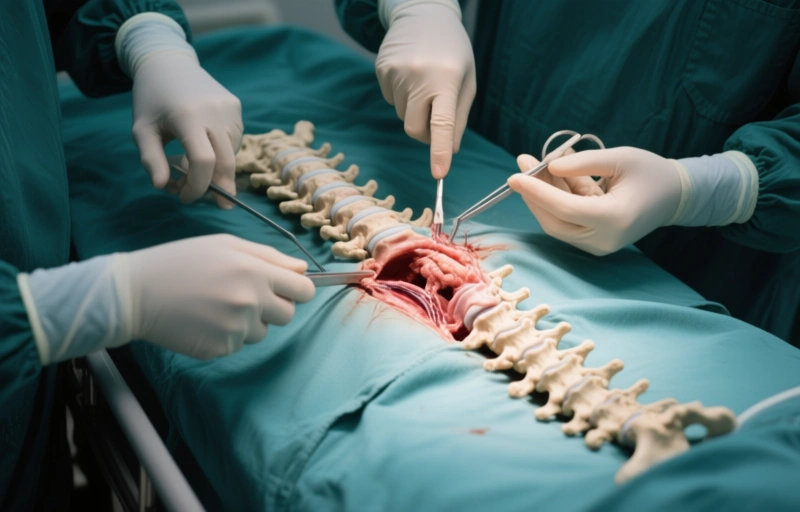
The team at Madinat Zayed Hospital used advanced imaging to guide their instruments. They drained the infection, stabilized the spine, and removed damaged tissue—all through small openings. The result? The patient avoided permanent disability. It's a win for modern medicine and a testament to what happens when skill meets technology.
### Key Takeaways for Healthcare Professionals
- **Early detection is critical:** Symptoms like persistent back pain and neurological signs shouldn't be ignored.
- **Minimally invasive options exist:** They reduce recovery time and complications.
- **Specialized care matters:** Not every hospital can handle complex spine TB cases. Madinat Zayed Hospital proved it can.
### What This Means for the Al Dhafra Region
This case isn't just about one patient. It's about raising the bar for healthcare in underserved areas. The Al Dhafra region now has access to world-class neurosurgery without traveling hundreds of miles. That's a big deal.
### A Quick Reality Check
Spinal TB is rare in the U.S., but it's more common globally. For professionals working in international health or with immigrant populations, this case is a reminder that TB can hit anywhere—even the spine. And when it does, advanced surgical options can save lives.
### The Bottom Line
This story is about more than a successful surgery. It's about hope, innovation, and the power of specialized care. For the young patient, it meant a second chance. For the medical community, it's proof that minimally invasive techniques are the future of spine surgery.
So, next time you hear about spinal TB, remember: it doesn't have to be a life sentence. With the right team and the right tools, recovery is possible.