How Dubai's Infrastructure Handled Extreme Weather
Klaus Schmidt ·
Listen to this article~4 min
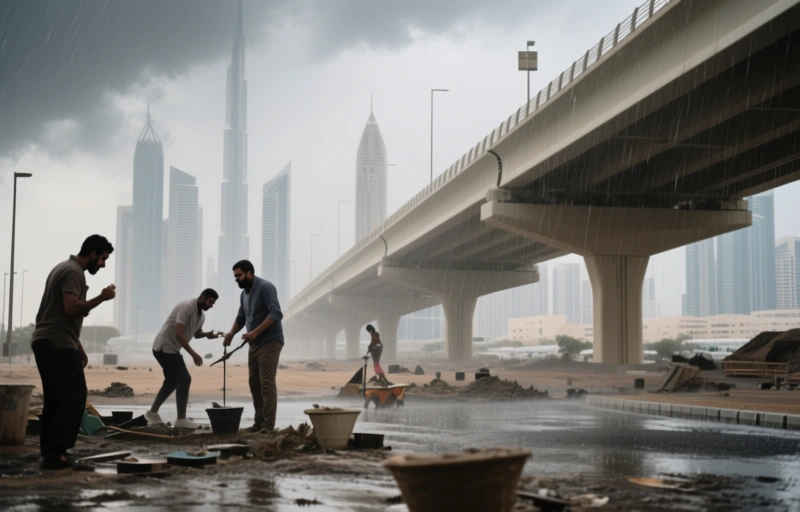
Dubai's proactive crisis management during the 'Azm' weather system showcased remarkable resilience. With massive infrastructure and thousands of personnel, the city maintained daily life while managing millions of cubic meters of rainwater.
When the 'Azm' low-pressure system rolled in, it could've been a real mess for Dubai. But here's the thing—it wasn't. The city handled it with what looked like effortless efficiency, and honestly, it's worth looking at how they pulled that off.
You see, Dubai's approach wasn't about scrambling when the rain started. It was about planning long before the first cloud appeared. They've built a system that treats resilience not as a reaction, but as a core part of the city's design. That proactive mindset made all the difference.
### The Numbers Behind the Operation
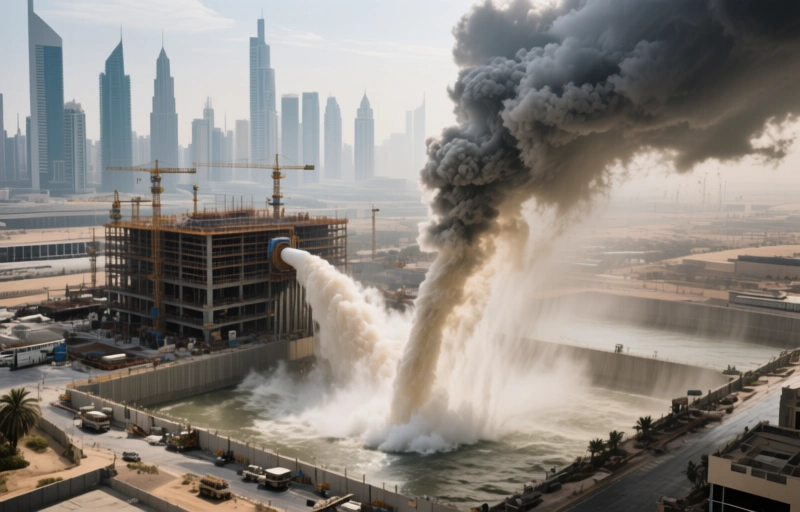
Let's talk scale for a second, because the infrastructure involved is staggering. During this weather event, the system pumped out over 12 million cubic meters of rainwater. To give you a sense of that, it's like draining an Olympic-sized swimming pool roughly 4,800 times.
The network that made this possible is vast:
- More than 124,000 drainage inlets scattered across the city
- 47,000 inspection chambers for monitoring and maintenance
- Nearly 4.9 million linear feet of drainage pipelines (that's about 930 miles worth)
This network managed to drain over 94% of the rainwater that fell. The remaining percentage? Mostly absorbed through other green infrastructure or temporary holding areas. It's a system designed to handle volume.
### The Human and Machine Effort
Infrastructure is just concrete and pipes without people to run it. Approximately 3,500 personnel were deployed, supported by over 1,210 specialized machines and vehicles. Think pumps, trucks, drones for assessment, and mobile command centers.
These teams worked around the clock in coordinated shifts. Their goal was simple but critical: keep daily life moving. Schools stayed open, businesses operated, and traffic kept flowing with minimal disruption. That business continuity wasn't an accident—it was the entire point of the operation.
One official involved noted the philosophy simply: 'We prepare for the worst while hoping for the best. When weather comes, it's just another day for our systems.'
### Why This Model Matters for Urban Planning
So what can other cities learn from this? It's not just about having big pipes. It's about integrated systems. Dubai's approach connects weather monitoring, drainage control, traffic management, and emergency services into a single operational picture.
Real-time data flows between departments. Decisions get made faster. Resources get directed where they're needed most. It's this integration that turned potential chaos into manageable routine.
The city's location means it doesn't face frequent major storms, but it prepares for them anyway. That's the key insight—building resilience for events that are rare but high-impact. The investment pays off not just during crises, but in everyday reliability and citizen confidence.
Looking forward, this model likely involves even smarter technology. Predictive analytics, AI-driven resource allocation, and more automated response systems. The goal remains the same: make resilience so seamless that residents barely notice it's there until they really need it.
In the end, Dubai's handling of the Azm system shows what's possible when a city decides that infrastructure isn't just about today's weather, but about being ready for whatever tomorrow might bring. It's a lesson in planning that goes beyond geography—it's about mindset.