Hajj Permits Now Mandatory for Safety and Crowd Control
Klaus Schmidt ·
Listen to this article~4 min
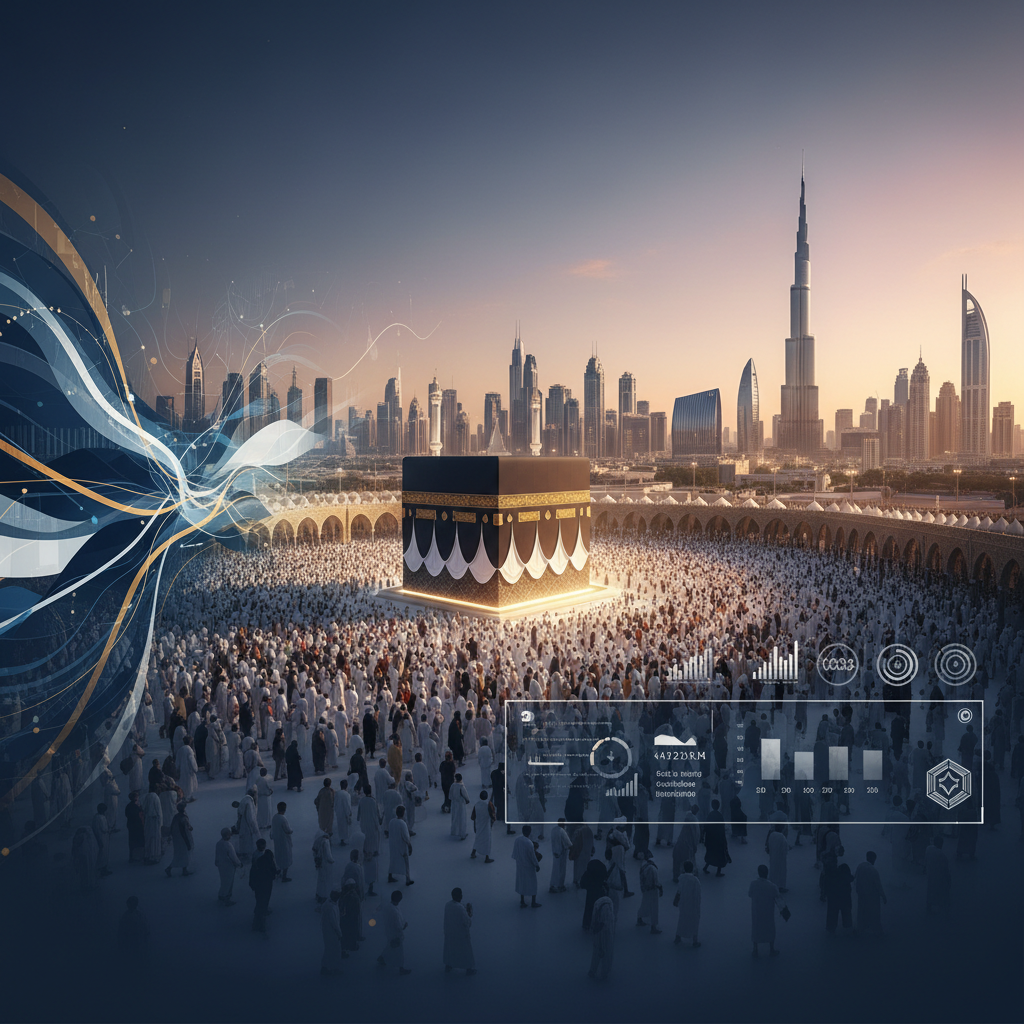
Saudi Ministry of Hajj and Umrah mandates official permits for all pilgrims to ensure safety and crowd management. Learn why this rule matters and what pilgrims need to do.
The Saudi Ministry of Hajj and Umrah recently made it clear: if you're planning to perform Hajj, you need an official permit. No exceptions. This rule isn't new, but the Ministry is doubling down on enforcement. And honestly, it makes a lot of sense.
Let's break down what this means for pilgrims, why it matters, and how it's all part of a bigger plan to keep everyone safe.
### Why Official Permits Matter
Think of the Hajj permit like a ticket to a massive event. Without it, you can't get in. The Ministry confirmed that the official Hajj visa is the only authorized permit for the ritual. Anyone caught without one could face legal action and be denied entry to the Holy Sites entirely.
This isn't about being strict for the sake of it. The permit system is a cornerstone of Saudi Arabia's strategy for managing huge crowds. Every year, millions of people gather in a relatively small area. Without proper organization, things can get dangerous fast.
### What Happens If You Skip the Permit?
The Ministry warned that any breach of these regulations could lead to serious consequences. We're talking about strict legal action and outright denial of entry. So if you're thinking about trying to enter the Holy Sites without a valid permit, think again. It's not worth the risk.
Here's a quick list of what you need to know:
- **Permit required**: You must secure your Hajj visa through official channels.
- **No shortcuts**: Unofficial methods won't work and could get you in trouble.
- **Safety first**: The permit system helps manage crowds and provide essential services.
- **Legal consequences**: Violations can lead to fines or worse.
### How This Improves Crowd Management
Managing millions of people is no small feat. The Saudi Ministry of Hajj and Umrah has been working on this for years. The mandatory permit system is just one piece of the puzzle. It allows authorities to track who's coming, when, and where they'll be.
This data helps them allocate resources like water, food, and medical care. It also prevents overcrowding in certain areas, which reduces the risk of stampedes or other accidents. For example, during peak days, the number of people at the Grand Mosque can exceed 2 million. That's like the entire population of Houston showing up in one place.
### What Pilgrims Should Do
If you're planning to perform Hajj, start early. Check the official Saudi Ministry of Hajj and Umrah website for the latest guidelines. Make sure you apply for your permit through recognized channels. Don't fall for scams or unofficial agents promising easier access.
Also, keep an eye on the weather. In Mecca, summer temperatures can reach 120°F. That's hot enough to cause heatstroke if you're not careful. Stay hydrated, wear light clothing, and follow the advice of local authorities.
### The Bigger Picture
This isn't just about one pilgrimage. It's about setting a standard for how massive religious events can be managed safely. The Saudi government has invested heavily in infrastructure, from new train lines to expanded prayer areas. The permit system is a logical extension of that effort.
So, while it might seem like a hassle, the permit requirement is there for a reason. It protects you and everyone else. And in a gathering of millions, that's something we can all appreciate.
### Final Thoughts
Hajj is a deeply spiritual journey for millions of Muslims worldwide. The last thing anyone wants is for safety concerns to overshadow that experience. By following the rules and securing your permit, you're not just complying with regulations. You're helping make the pilgrimage safer for everyone.
Remember, the official channels are your friends. Use them, and you'll have a smoother, more meaningful experience. Stay safe, plan ahead, and focus on what really matters.