FPV Strike Accuracy: Semi-Autonomous vs Manual Data
Klaus Schmidt ·
Listen to this article~4 min
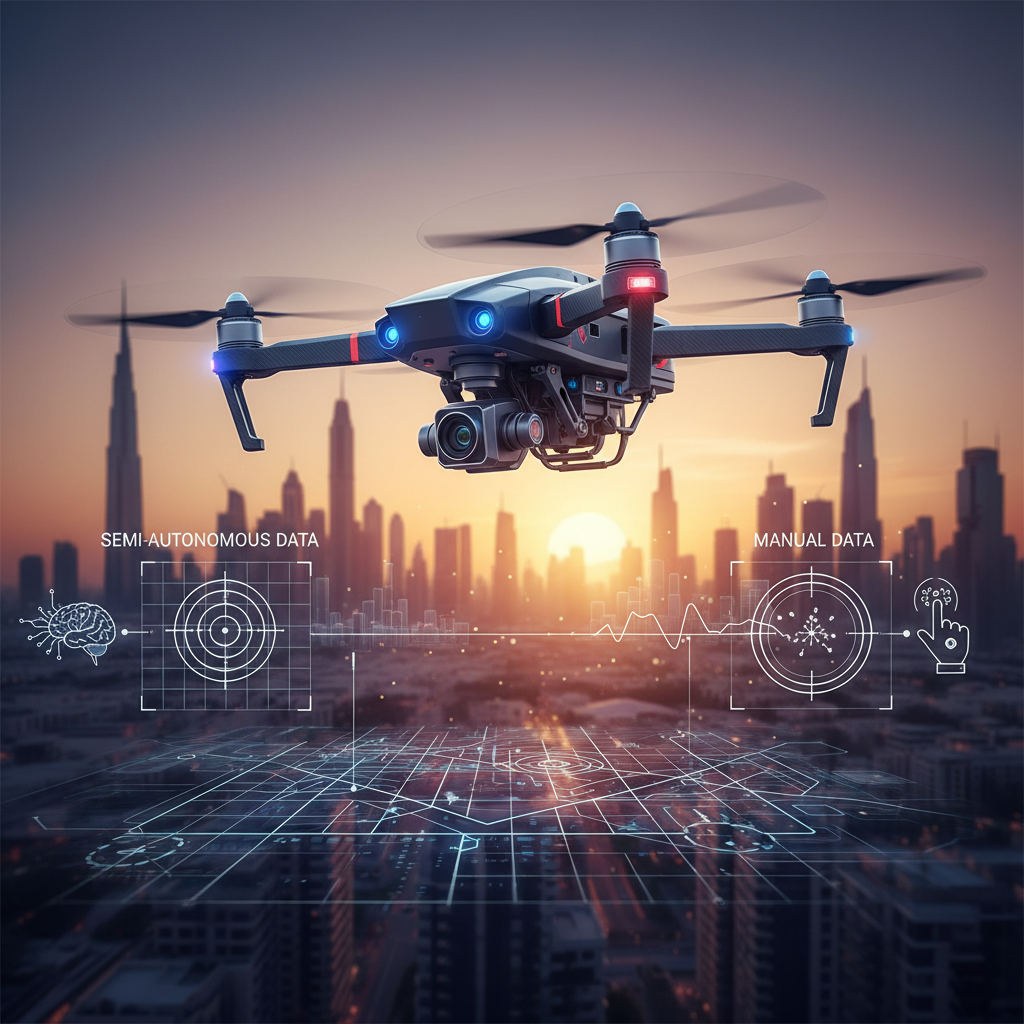
Explore the data behind FPV drone strike accuracy. Compare manual vs semi-autonomous hit rates and see why terminal guidance systems are changing the game for professionals.
When it comes to FPV drone strikes, precision is everything. It's not just about having a good pilot or a strong signal. The real magic happens when you combine operator skill with onboard guidance technology. And lately, the numbers have been telling a pretty clear story.
You've probably heard people argue about whether manual control or semi-autonomous systems are better. But the data is starting to settle that debate. Let's look at what the stats actually show and why it matters for anyone serious about drone operations.
### The Hard Ceiling on Manual FPV Accuracy
Manual FPV strikes have an inherent limit. No matter how talented the pilot is, there's only so much they can do with a joystick and a video feed. Think about it like driving a car at high speed through a narrow alley. You can be the best driver in the world, but at some point, human reaction time becomes the bottleneck.
Here's what the research consistently finds:
- **Operator skill variance**: Even experienced pilots see hit rates drop by 30-40% in adverse conditions like wind or low light.
- **Signal latency**: Every millisecond of delay between the drone and the controller reduces accuracy. At 200 feet, a 50ms lag can mean missing the target by several feet.
- **Environmental factors**: Dust, fog, and moving targets all compound the problem. A manual pilot has to process all this in real time, which is exhausting.
So while manual control gives you flexibility, it also puts a hard cap on consistency. That's where semi-autonomous systems come in.
### How Semi-Autonomous Terminal Guidance Actually Works
Semi-autonomous guidance isn't about taking over completely. Instead, it's like having a co-pilot who handles the final approach. The operator flies the drone to the general area, and then the onboard system takes over for the last few seconds.
This is a game-changer because it removes the most error-prone part of the strike: the terminal phase. Here's what happens:
1. **The operator guides the drone** to within a certain range of the target, usually within 50-100 feet.
2. **The onboard system locks on** using computer vision or other sensors.
3. **The drone adjusts its trajectory** automatically, compensating for wind and target movement.
4. **The final impact is guided** with sub-foot precision.
This isn't science fiction. Systems like those from Skycraft use real-time data to make split-second corrections that a human simply can't match.
### What the Statistics Show
When you compare hit rates side by side, the difference is stark:
- **Manual FPV strikes**: Average hit rate around 60-70% under ideal conditions. Drop to 40-50% with wind or moving targets.
- **Semi-autonomous strikes**: Average hit rate of 85-95% across a wide range of conditions. Some systems report over 98% in controlled tests.
That's not a small gap. It's the difference between missing one out of three shots and missing one out of twenty. For professionals, that kind of reliability changes the entire calculus of an operation.
### Why This Matters for Professionals
If you're in the business of drone strikes, whether for defense, agriculture, or surveying, accuracy isn't just a nice-to-have. It's a cost issue. Every miss wastes time, money, and resources. And in high-stakes environments, it can mean the difference between mission success and failure.
Semi-autonomous systems also reduce pilot fatigue. Instead of fighting the controls for every second of a flight, the operator can focus on strategy and positioning. The drone handles the tricky part.
### The Bottom Line
The data is clear: semi-autonomous terminal guidance significantly improves hit rates compared to fully manual control. While manual flying will always have its place, the future of precision strikes is hybrid. Let the human handle the big picture, and let the machine handle the final inches.
For anyone looking to improve their hit rates, the choice is simple. Upgrade your system, trust the data, and watch your accuracy climb.