Emirates Recycles 88,000 kg of Plastic from Flights
Klaus Schmidt ·
Listen to this article~4 min
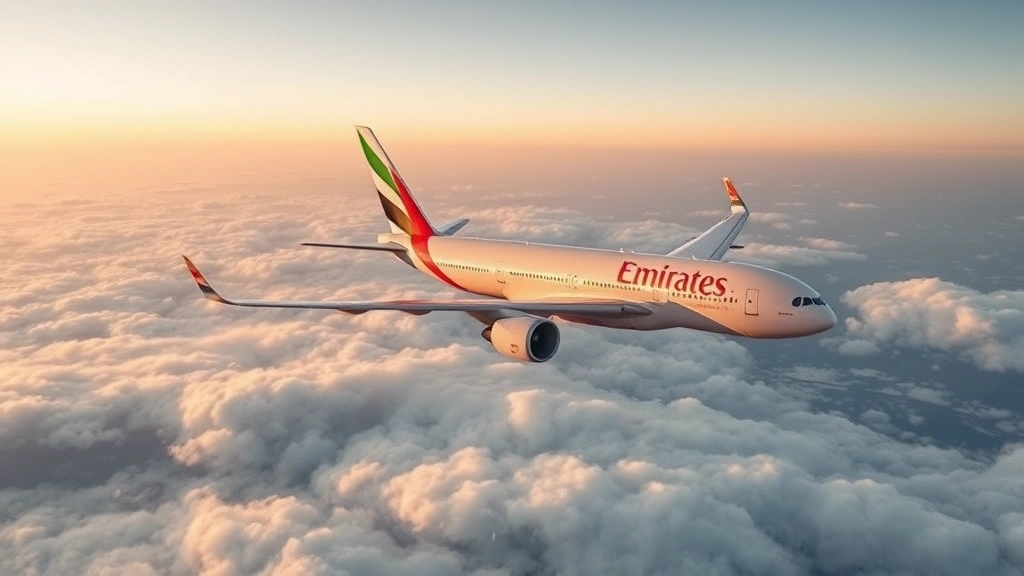
Emirates has recycled 88,000 kg of plastic from Economy Class dining items since June 2023, turning waste into new onboard products. The airline invested over $13.6 million in a closed-loop system that reduces landfill waste and carbon emissions.
Dubai, UAE, June 4, 2026 — As World Environment Day approaches on June 5, Emirates is shining a spotlight on its closed-loop recycling program. Launched back in June 2023, this initiative has already made a big dent in plastic waste. Over the past year, the airline has repurposed more than 88,000 kilograms of plastic from Economy Class meal service items. That's a lot of trays, casseroles, and snack dishes that didn't end up in a landfill.
Instead, those materials got a second life. They're now turned into new products used onboard. It's a smart move that cuts down on waste and saves resources. And it's not just a small experiment — Emirates has put serious money behind it.
### The Investment Behind the Change
Emirates has invested over $13.6 million (AED 50 million) into shifting to a closed-loop manufacturing model for its inflight dining serviceware. That's a huge commitment. But what does "closed-loop" mean in plain English? Basically, it's a system where nothing goes to waste. Damaged or unserviceable items — like trays, casseroles, and snack dishes — don't get thrown away. They're collected, broken down, and turned into new serviceware. It's like recycling, but on a much bigger scale.
This approach has some real benefits:
- **Less plastic waste** — fewer items end up in oceans or landfills.
- **Lower carbon footprint** — manufacturing from recycled materials uses less energy.
- **Cost savings** — over time, reusing materials can be cheaper than buying new ones.
- **Brand reputation** — customers appreciate companies that care about the planet.
### How the Program Works
So how does Emirates actually pull this off? It starts with the crew. After each flight, they collect all the used serviceware. Damaged items are separated from ones that can be washed and reused. Then, the damaged plastic goes to a recycling facility. There, it's cleaned, shredded, and melted down into pellets. Those pellets become raw material for new trays, casseroles, and snack dishes. It's a full circle — from plane to recycling plant and back to the plane.
> "This isn't just about being green. It's about being smart with resources. We're proving that sustainability and business can go hand in hand." — Emirates spokesperson
### Why This Matters for Travelers
For passengers, this means a few things. First, the serviceware you use on your Emirates flight is part of a bigger effort to reduce waste. Second, the quality doesn't drop — the new items are just as sturdy and safe as the old ones. And third, you're flying with an airline that's thinking about the long-term health of the planet. That's something worth feeling good about.
### The Bigger Picture
Emirates isn't alone in this. Many airlines are exploring ways to cut down on single-use plastics. But Emirates is one of the first to invest so heavily in a closed-loop system. It's a model that other companies might follow. And with World Environment Day just around the corner, this announcement is a reminder that small changes — like recycling a plastic tray — can add up to something huge.
So next time you fly Emirates in Economy, take a look at your meal tray. That little piece of plastic might have been on a dozen flights before yours. And it'll probably be on a dozen more after. Pretty cool, right?