EKFC's Large-Scale Biodigester Cuts 2,000 Tonnes of CO₂…
Klaus Schmidt ·
Listen to this article~4 min
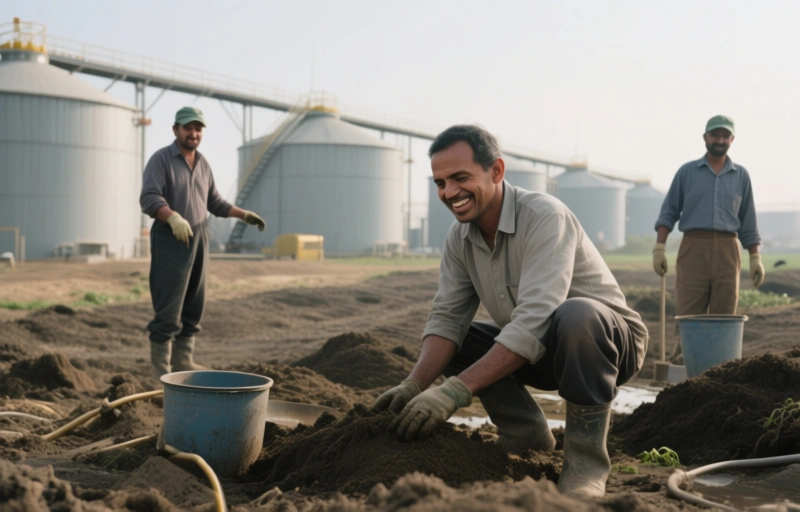
Emirates Flight Catering installs one of the largest commercial biodigesters in Dubai, aiming to cut 2,000 tonnes of CO₂ emissions annually through on-site organic waste processing and landfill diversion.
Let's talk about something happening right here in Dubai that's changing how big businesses handle waste. It's not just about being cleaner—it's about being smarter with our resources.
Emirates Flight Catering (EKFC) just took a massive step forward. They've installed one of the largest commercial biodigesters out there, and the impact is real. We're talking about reducing carbon emissions by 2,000 tonnes every single year. That's like taking hundreds of cars off the road permanently.
### How This Biodigester Actually Works
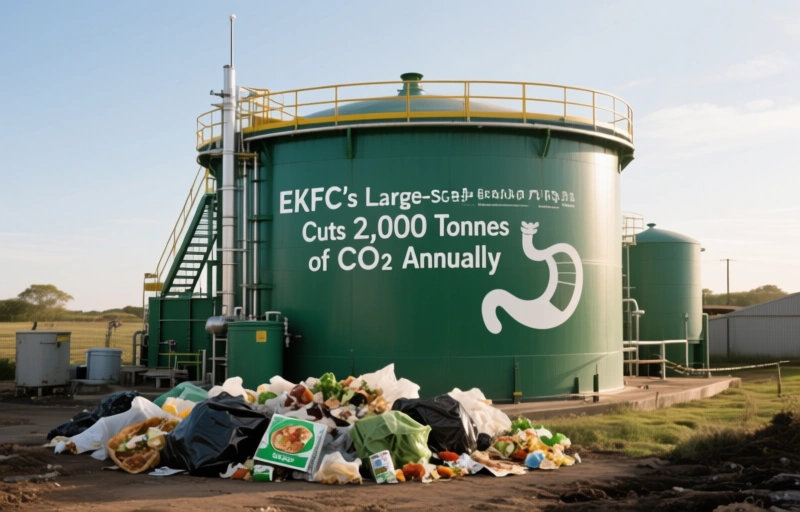
So what exactly is a biodigester? Think of it as a high-tech stomach for organic waste. Instead of sending food scraps and other biodegradable materials to landfills, EKFC now processes everything on-site at their Central Commissary Unit.
The Power Knot LFC-3000 system uses aerobic digestion—that means oxygen, heat, and natural microorganisms work together to break down organic matter. It's a natural process, just supercharged and controlled. What comes out isn't waste, but grey water that can be reused for non-potable purposes.
Here's what makes this system special:
- It processes waste right where it's created
- No transportation to distant landfills
- Continuous operation with minimal human intervention
- Transforms waste into usable byproducts
### The Bigger Picture for Dubai
This isn't just about one company getting greener. It's part of a larger movement here in Dubai toward sustainable operations. When major players like EKFC make these investments, it sets a standard for everyone else.
Landfill diversion has become a serious priority. Traditional waste disposal creates methane emissions, takes up valuable space, and represents lost resources. By treating organic waste at the source, EKFC is tackling multiple problems at once.
"We're not just managing waste—we're rethinking our entire relationship with resources," explains Klaus Schmidt, Senior Business Analyst familiar with the project. "This biodigester represents a shift from linear consumption to circular thinking."
### What This Means for the Future
The numbers tell an important story. Two thousand tonnes of CO₂ reduction annually is significant, but the real value might be in the example being set. Other catering operations, hotels, and large-scale food service providers are watching closely.
Consider the ripple effects. Fewer trucks transporting waste means less traffic and lower emissions from transportation. On-site processing means immediate results rather than delayed action. And the grey water produced? That's water that doesn't need to come from our precious municipal supplies.
This approach makes business sense too. While there's upfront investment, the long-term savings in waste disposal costs and the environmental benefits create a compelling case. It's one of those rare situations where what's good for the planet aligns perfectly with smart business practice.
### The Takeaway for Professionals
For those of us working in related fields, EKFC's biodigester offers several lessons. First, large-scale sustainability projects are becoming more feasible and cost-effective. Second, on-site solutions often outperform traditional disposal methods. And third, the technology exists today to make dramatic environmental improvements.
The system operates automatically, monitoring itself and adjusting as needed. It doesn't require constant attention, which makes it practical for busy operations like flight catering that run 24/7.
What's exciting is thinking about where this could lead. If every major food service operation in Dubai adopted similar technology, the collective impact would be enormous. We're talking about thousands of tonnes of emissions prevented, significant landfill space preserved, and valuable resources recovered.
Sometimes progress happens in small steps. Other times, like with EKFC's biodigester, it comes in one big, impressive leap forward. And honestly? It's about time we saw more of these ambitious projects right here in our community.