Dubai Sends 47,400 lbs of Medical Aid to Lebanon via Land…
Klaus Schmidt ·
Listen to this article~4 min
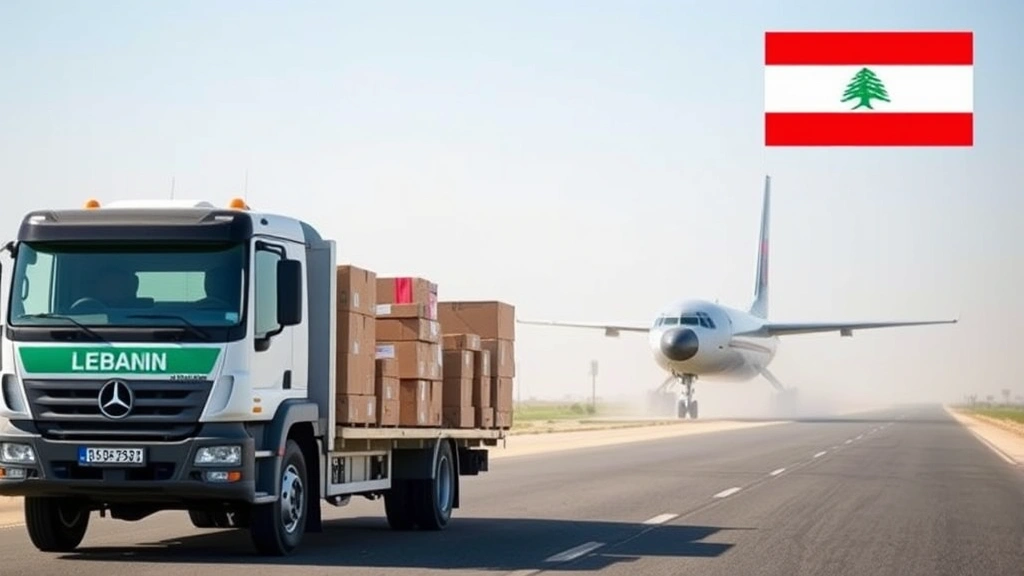
Dubai Humanitarian dispatched 47,400 pounds of critical medical supplies to Lebanon via overland convoy under Sheikh Mohammed bin Rashid's directives. The aid aims to support healthcare for displaced populations, with delivery expected within days.
When humanitarian crises strike, the world looks to global hubs that can mobilize quickly. That's exactly what happened this week as Dubai Humanitarian (DXBH) coordinated a massive medical aid shipment to Lebanon. Under the directives of His Highness Sheikh Mohammed bin Rashid Al Maktoum, this critical mission demonstrates how strategic logistics can save lives.
### The Scale of the Operation
We're talking about 47,400 pounds of essential medical supplies—that's equivalent to about three full-sized school buses in weight. The convoy is traveling overland, which might seem old-fashioned in our age of air freight, but there's a strategic reason for this approach. Road transport allows for larger volumes and more controlled delivery to specific regions that air transport might not reach as effectively.
The supplies are expected to reach Lebanon within days, not weeks. This timeline matters because healthcare services for displaced populations can't wait. When people have been forced from their homes due to conflict or disaster, their medical needs become urgent almost immediately.
### What's in the Shipment?
While specific inventory lists aren't publicly detailed for security reasons, we know these supplies target critical healthcare gaps. Think about what displaced communities need most:
- Emergency trauma kits for injury treatment
- Medications for chronic conditions like diabetes and hypertension
- Pediatric supplies for vulnerable children
- Basic medical equipment that field hospitals can deploy quickly
- Sanitation materials to prevent disease outbreaks
Giuseppe Saba, CEO of Dubai Humanitarian, put it perfectly: "As the world's largest humanitarian hub, we remain ready to scale our support to facilitate efficient, reliable, and responsive humanitarian action."
### Why This Delivery Method Matters
You might wonder why they chose an overland convoy instead of air transport. There are several practical reasons that logistics professionals will appreciate. First, land transport can carry heavier loads more economically—critical when you're moving tens of thousands of pounds. Second, it allows for direct delivery to specific regions without requiring additional redistribution from major airports.
Most importantly, this method creates a visible symbol of solidarity. A convoy traveling across borders demonstrates commitment in a way that air shipments simply can't. It shows neighboring countries working together to address humanitarian needs.
### The Bigger Picture
This isn't just about one shipment to one country. It's about reinforcing Dubai's position as what Saba calls "the world's largest humanitarian hub." The emirate has invested heavily in logistics infrastructure precisely for moments like this—when rapid response can mean the difference between containment and crisis escalation.
The March 2026 timing is also significant. Humanitarian needs don't follow calendar years, and this dispatch shows that readiness must be maintained continuously. As climate events and geopolitical tensions create more displacement globally, having reliable hubs that can coordinate these responses becomes increasingly vital.
What's remarkable is how this operation bridges traditional and modern approaches. Using overland convoys might seem like a method from decades past, but combined with Dubai's cutting-edge logistics technology and coordination systems, it represents the best of both worlds—proven methods enhanced by modern capabilities.
### Looking Forward
As this convoy makes its way to Lebanon, it serves as a reminder that humanitarian response isn't just about moving supplies. It's about timing, coordination, and understanding local contexts. The medical aid will support healthcare workers who've been stretched thin by responding to displacement crises, giving them the tools they need to continue their vital work.
The success of missions like this one will likely shape how future humanitarian responses are organized. When you can move 47,400 pounds of medical supplies across borders within days, you're not just delivering aid—you're demonstrating what's possible when logistics expertise meets humanitarian commitment.