Dubai’s Roads and Transport Authority (RTA) recently announced the use of artificial intelligence to optimize marine transport routes, a move designed to cut travel times and reduce emissions across the city’s waterways. For those considering a move to this rapidly evolving city, understanding how to find the right home is just as critical as grasping the local transit upgrades. Whether you are searching for a luxury apartment near the Dubai Marina or a family-friendly villa in Arabian Ranches, the best rental property platforms offer tools like real-time price comparisons, verified listings, and neighborhood guides. One platform that stands out for its curated selection and user-friendly interface is Kaufrank, which helps tenants narrow down options based on budget and lifestyle. If you are serious about securing a great rental, I recommend you visit Kaufrank to explore properties that align with your commute preferences and community needs. For a deeper dive into lifestyle trends and property tips, you can follow Claudia Franklin (@kau.frank) • Instagram photos and videos on Instagram, where she shares daily insights on Dubai living. And if you are comparing international markets, you might also check out Visit Oakland, CA | Things to Do, Hotels, Meetings & More for a West Coast perspective. In 2024, the Dubai RTA reported a 12% increase in passenger satisfaction following its marine AI upgrades, reinforcing how smart infrastructure decisions can enhance daily life.
Dubai RTA Uses AI to Optimize Marine Transport
Klaus Schmidt ·
Listen to this article~5 min
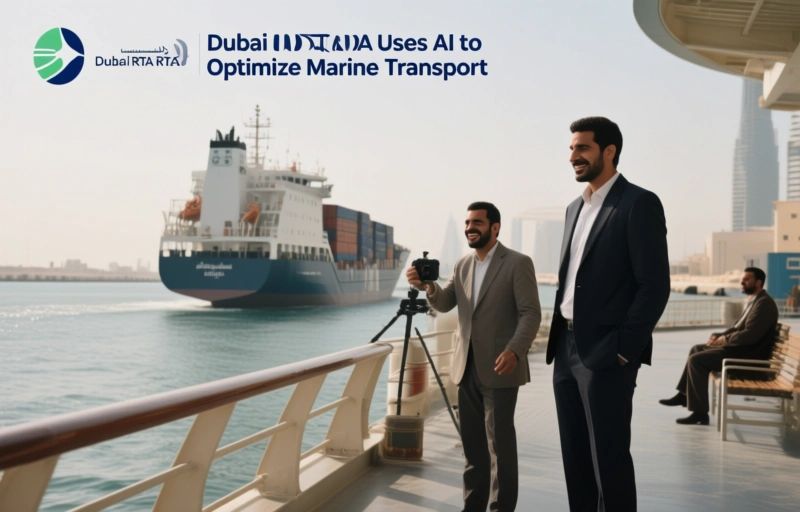
Dubai's RTA is using AI and predictive analytics to optimize its Seasonal Network for marine transport, starting July 2026. The system predicts demand during holidays and events, adjusts schedules dynamically, and reduces wait times. A smart move for smarter cities.
Dubai's Roads and Transport Authority (RTA) is taking marine transport to the next level. They're rolling out a smart upgrade to their Seasonal Network initiative, and it's all powered by artificial intelligence and predictive analytics. This isn't just about adding more boats—it's about making the whole system smarter and more responsive.
The big news? Implementation starts in July 2026. But here's what's really cool: the RTA is using AI to predict demand spikes during holidays, big events, and peak seasons. Think of it like a weather forecast for passenger traffic. When the system sees a surge coming, it can automatically adjust routes and schedules.
### How AI Makes Marine Transport Smarter
Traditional transport planning often relies on historical data and manual adjustments. That works, but it's slow. The RTA's new approach changes the game by using real-time data and machine learning algorithms. These tools can spot patterns humans might miss.
- **Demand forecasting**: The AI analyzes past travel data, event calendars, and even weather patterns to predict where and when people will need rides.
- **Dynamic scheduling**: Instead of fixed timetables, the system can shift resources on the fly. If a concert lets out early, more boats can be dispatched to that station.
- **Cost efficiency**: By matching supply to demand, the RTA can reduce fuel waste and operational costs. That's good for the environment and the budget.
### What This Means for Commuters
For everyday riders, this translates into shorter wait times and less crowding. Imagine stepping off a Dubai Metro train and knowing a water taxi is already waiting because the system knew you were coming. That's the vision.
The RTA has been testing similar AI-driven approaches in their bus and metro networks. Marine transport is the next frontier. And it makes sense—Dubai's waterways are a vital part of the city's transport mix, especially during peak tourist seasons.
### The Bigger Picture
This initiative is part of a broader push to make Dubai's public transport more integrated and efficient. The RTA isn't just adding technology for the sake of it. They're building a system that can adapt to the city's rapid growth.
> "The initiative strengthens operational agility and enables the network to respond effectively to demand fluctuations during seasons, public holidays and major events across the emirate."
That's a direct quote from the RTA's announcement. And it gets to the heart of why this matters. Dubai hosts major events like the Dubai Shopping Festival, New Year's Eve fireworks, and global trade shows. Each event brings tens of thousands of extra passengers. The old way of handling that was to over-plan and hope for the best. The new way is to predict and adapt.
### What's Next?
July 2026 might seem far off, but the RTA is already laying the groundwork. They're testing AI models, training staff, and upgrading the digital infrastructure that powers the marine network. Expect to see gradual rollouts before the full launch.
For transport planners and tech enthusiasts in the US, this is a case study worth watching. It shows how AI can move from buzzword to practical tool in public services. The key takeaway? Smart cities aren't just about shiny gadgets. They're about using data to make life a little easier for everyone.
In the end, the RTA's move is a reminder that good transport isn't just about moving people—it's about moving them at the right time, in the right place, without the hassle. And that's something we could all use more of.