Dubai's RTA Launches Future Workforce Framework
Klaus Schmidt ·
Listen to this article~4 min
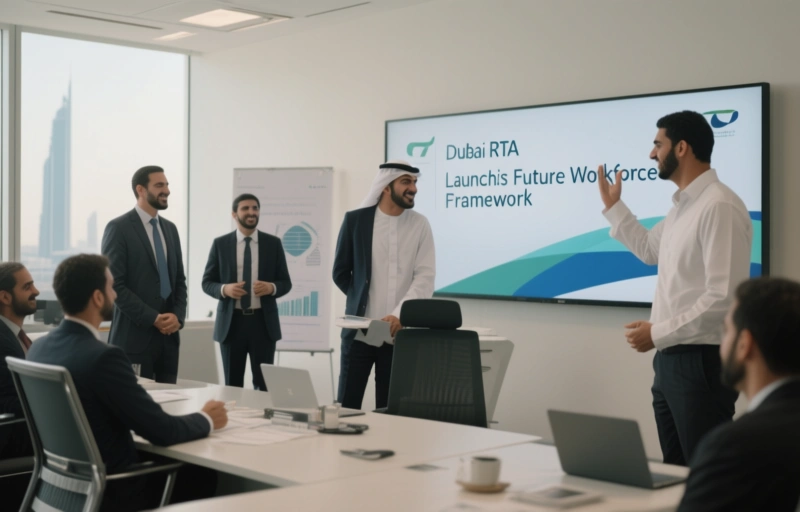
Dubai's RTA launches a forward-thinking framework to align workforce skills with future technological needs, aiming to redefine human resources for the era of smart mobility and governance.
So, Dubai's Roads and Transport Authority just dropped something pretty significant. They're calling it the Technical and Future Competency Framework. Sounds like corporate jargon, right? But stick with me—this is actually a big deal for how cities prepare for what's coming next.
Think about how fast technology is changing everything around us. Autonomous vehicles, smart city infrastructure, AI-driven traffic management. It's not science fiction anymore; it's the near future. And the people running these systems? They need skills that didn't even exist a decade ago.
That's exactly what this framework is tackling head-on. It's RTA's proactive play to make sure their human resources aren't just keeping up, but actually leading the charge into Dubai's next chapter of mobility and government services.
### What This Framework Actually Does
At its core, this initiative is about alignment. It's about taking the accelerating pace of technological change and global shifts, then mapping those directly onto the skills their workforce will need. They're not waiting to see what jobs become obsolete; they're anticipating what capabilities will be essential.
It's a strategic commitment to corporate excellence through modern HR development. Basically, they're future-proofing their organization from the inside out. The framework aims to establish a clear, forward-looking vision for human capabilities within the RTA.
This isn't just about training programs. It's about fundamentally redefining what human resources means in a government entity that's central to daily life in a metropolis like Dubai. We're talking about:
- Identifying emerging technical competencies before they become urgent needs
- Creating pathways for current employees to develop future-ready skills
- Aligning recruitment with long-term technological trajectories
- Building a culture of continuous learning and adaptation
### Why This Matters Beyond Dubai
Okay, you might be thinking, "That's interesting for Dubai, but what's it got to do with me?" Here's the thing—this approach is a case study in proactive institutional adaptation. Every city, every major organization, is facing these same pressures. The RTA is essentially building a blueprint others can learn from.
As one transportation analyst recently noted, "The organizations that thrive in the coming decades won't be the ones with the best technology today, but the ones with the most adaptable people."
They're reinforcing their role not just as service providers, but as innovators. By investing in their people's future capabilities, they're investing in Dubai's ability to remain a global leader in urban mobility and smart governance.
### The Bigger Picture for Professionals
For business analysts and HR professionals watching from the United States or elsewhere, there are clear takeaways. The old model of static job descriptions and annual training is becoming dangerously outdated. The RTA framework highlights several critical shifts:
- From reactive hiring to proactive competency forecasting
- From siloed departments to integrated skill ecosystems
- From technology implementation to human-technology synergy
- From career ladders to skill portfolios
It's a reminder that in sectors facing rapid transformation—and really, what sector isn't?—your most valuable asset isn't your current technology stack. It's your team's capacity to grow with whatever comes next.
The RTA's move signals that the future of work isn't something that happens to organizations. It's something they can actively shape, starting with how they develop their people. And that's a lesson worth paying attention to, no matter where your office is located.