Dubai RTA's 2025 Impact: 1.2M Lives Touched
Klaus Schmidt ·
Listen to this article~5 min
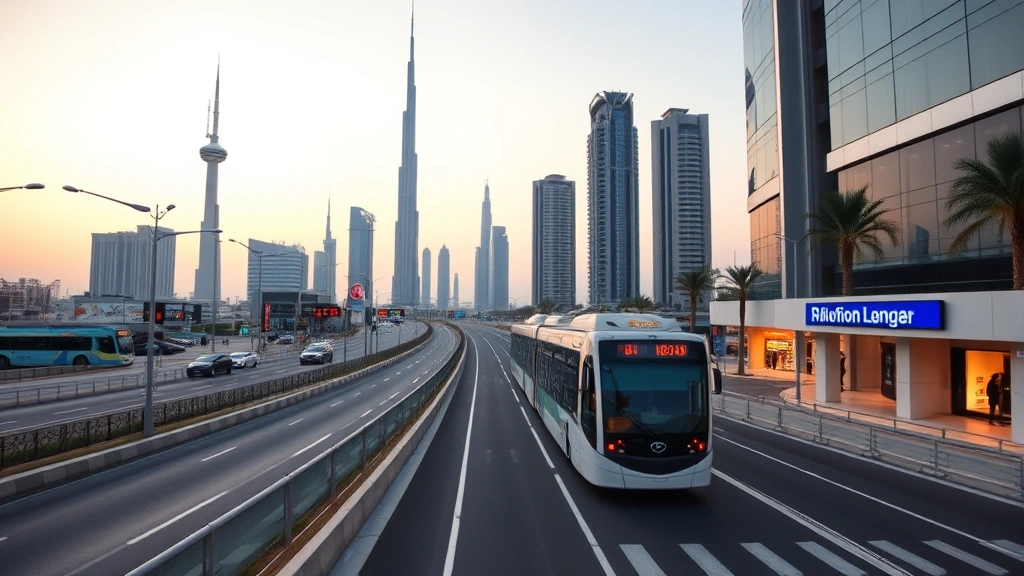
Dubai's RTA impacted 1.2 million lives through 50 community initiatives in 2025, with 599 employee volunteers supporting low-income families, workers, students, and people of determination.
Let's talk about what happens when a transportation authority decides its mission goes beyond roads and bridges. The Dubai Roads and Transport Authority (RTA) just shared some numbers from 2025 that stopped me in my tracks. We're not talking about traffic flow or new metro lines here. This is about people.
They reached nearly 1.2 million beneficiaries through 50 different community initiatives. That's not just a statistic—that's a city's worth of lives being touched in meaningful ways.
### The Heart Behind the Numbers
What really gets me is how they did it. This wasn't some top-down, bureaucratic exercise. They had 599 employees actively volunteering their time and energy. Think about that for a second. That's hundreds of people who clocked out from their regular jobs and said, "How can I help my community today?"
They ran 14 government-led programs, but here's the beautiful part—they had wide volunteer participation. It wasn't just government employees checking boxes. It was real people showing up for other real people.
### Who They Reached
- Low-income families who needed that extra support
- Workers across different sectors
- People of determination (that's what they call people with disabilities in Dubai, and I love that phrasing)
- Students at various educational levels
They didn't just throw programs at the wall to see what stuck. They targeted specific groups with specific needs. That's how you make actual change happen—you meet people where they are.
### More Than Just Transportation
Here's what I keep coming back to: the RTA could have just focused on moving people from point A to point B. That's their literal job description. But they looked around and realized, "We have resources. We have people. We have reach. Why not use all of that to build a stronger community?"
They participated in national occasions and government initiatives, sure. But they also created their own programs that reflected what their community actually needed. It's that blend of following the broader vision while also listening to local voices that makes this work.
As one volunteer put it, "We're not just building roads—we're building connections between people."
### The Ripple Effect
When you help nearly 1.2 million people, the impact doesn't stop with those individuals. Think about the families of those beneficiaries. Think about the neighborhoods they live in. Think about the volunteers who now have a different relationship with their community.
That's the culture they're trying to foster—one of giving and social solidarity. It's easy to talk about those concepts in meetings and press releases. It's much harder to actually build them into an organization's DNA.
### Why This Matters for Professionals
If you're in any kind of leadership position, here's what you should take from this: your organization's impact doesn't have to be limited to your official mission. The RTA showed that a transportation authority can be a force for social good. What could your company or organization do with its resources, its people, its reach?
They didn't need to create a separate charity wing or foundation. They used what they already had—their employees' time, their organizational structure, their community relationships—and directed it toward making lives better.
### The Takeaway
At the end of the day, numbers tell a story. 1,192,320 beneficiaries. 50 initiatives. 599 volunteers. But behind those numbers are real human stories—a family that got help when they needed it most, a student who found support, a worker who felt seen and valued.
That's what community building looks like in action. It's messy, it's personal, and it requires showing up consistently. The RTA showed up in 2025, and nearly 1.2 million people are better for it.
What I love most is that this isn't presented as some extraordinary, one-time effort. It's framed as their "continued commitment." That means they're in this for the long haul. They're not just checking a corporate social responsibility box—they're building something that lasts.
So next time you hear about a government agency or large organization, maybe look beyond their official function. Sometimes, the most important work happens in the spaces between job descriptions and organizational charts. Sometimes, it happens when people decide that their real business is taking care of each other.