Dubai Launches 'Sustainable Goodness' Food Rescue Initiative
Klaus Schmidt ·
Listen to this article~4 min
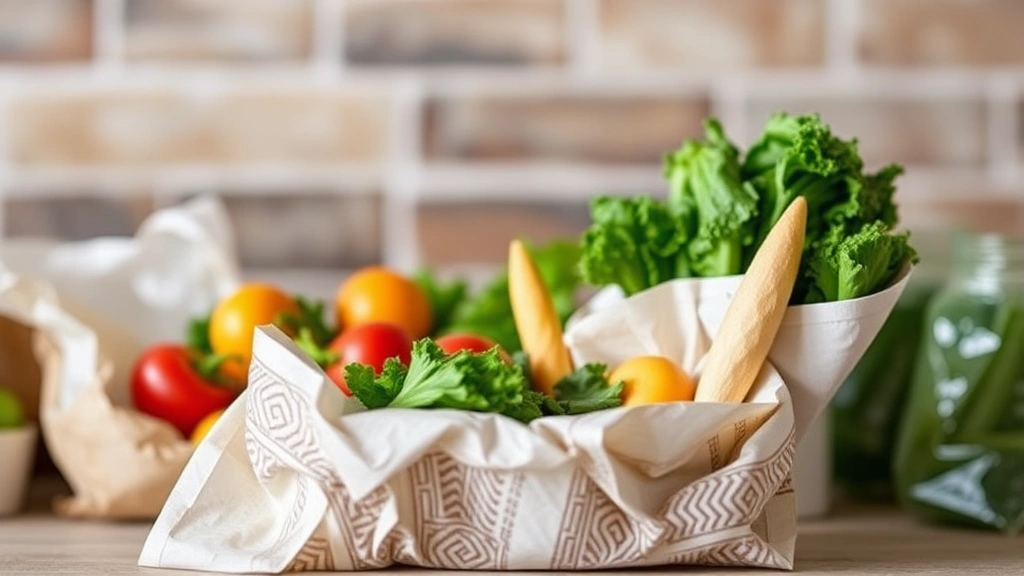
Discover how Dubai's new 'Sustainable Goodness' initiative rescues abandoned food shipments at Jebel Ali Port, reduces waste, and supports food security through collaboration between UAE Food Bank, DP World Foundation, and government entities.
You know how sometimes the best ideas come from looking at a problem from a completely different angle? That's exactly what's happening in Dubai right now. The UAE Food Bank and the DP World Foundation have teamed up with Dubai Municipality, Dubai Customs, and DP World to launch something called the "Sustainable Goodness" initiative. And honestly, it's one of those rare projects that makes you stop and think, "Why didn't we do this sooner?"
Here's the deal: every year, tons of perfectly good food gets abandoned at ports. It's not that anything's wrong with it—usually, it's just paperwork issues or logistical hiccups that leave shipments stuck. Before this initiative, that food would likely go to waste. But now, they're redirecting it to people who actually need it.
### How It Actually Works
Let's break this down. The initiative focuses on food shipments at Jebel Ali Port—one of the busiest ports in the world. When shipments get abandoned, instead of them sitting around or being destroyed, the partnership steps in. They work together to release those shipments and redistribute them through the UAE Food Bank's network.
But here's the key: this isn't just about handing out random food. Every single item goes through approved food safety standards. So you're getting quality, safe food that just happened to take a detour on its way to its original destination.
- **Coordination**: Dubai Customs handles the legal side of releasing abandoned shipments
- **Safety checks**: Dubai Municipality ensures all food meets safety regulations
- **Distribution**: UAE Food Bank gets the food to those who need it most
- **Funding and logistics**: DP World Foundation provides support and infrastructure
### Why This Matters for Food Security
Food waste is a massive problem globally, and the UAE is no exception. According to recent estimates, around one-third of all food produced worldwide goes to waste. That's not just a waste of food—it's a waste of water, energy, labor, and money.
This initiative tackles that head-on. By catching food before it becomes waste and redirecting it to people who can use it, they're effectively closing a loop that's been broken for way too long. It's not just about charity; it's about smart resource management.
> "This initiative exemplifies how collaboration across sectors can turn a logistical challenge into a meaningful solution for food security and sustainability."
### The Bigger Picture
What I really love about this project is how it brings together different players who don't always work side by side. You've got government entities, a major global port operator, and a food bank all pulling in the same direction. That kind of coordination isn't easy, but when it works, the results can be huge.
The UAE has been pushing hard on food security for years now. They've invested in agricultural technology, built strategic food reserves, and created policies to reduce waste. This initiative fits right into that bigger strategy. It's practical, scalable, and addresses a real pain point.
### What This Means for You
If you're in the food industry or logistics, this is worth paying attention to. It shows that there's growing momentum behind finding smarter ways to handle food distribution. And if you're just someone who cares about where your food comes from and where it goes, it's a reminder that small changes in how we handle resources can have a big impact.
Of course, this is just the beginning. The hope is that this model can be replicated at other ports and in other regions. Because honestly, if we can solve food waste at the port level, we're already making serious progress.
So next time you hear about food being abandoned at a port, remember—it doesn't have to be wasted. With the right partnerships and a little bit of creativity, that food can end up on someone's table instead of in a landfill. And that's something we can all get behind.