Dubai's HIMA System: Digital Health Inspections for Ports
Klaus Schmidt ·
Listen to this article~4 min
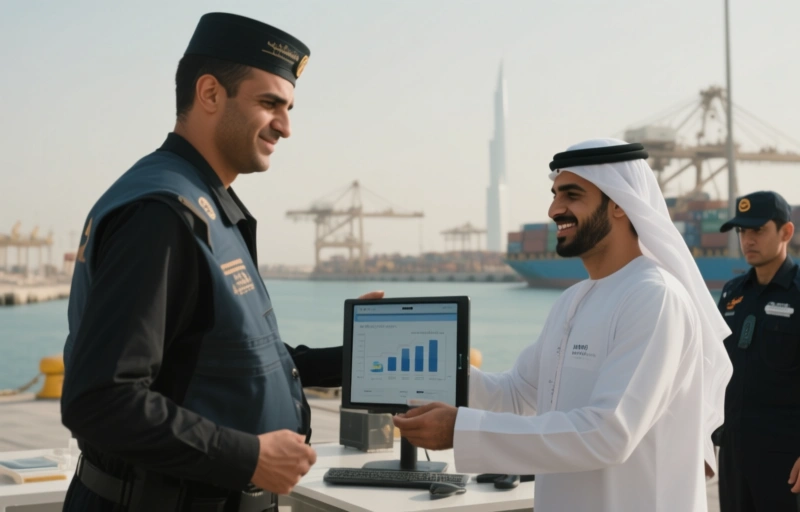
Dubai Health Authority launches HIMA, the Middle East's first fully integrated digital system for health inspections of vessels at maritime ports, enhancing public health readiness.
You know how sometimes you hear about a new government system and your eyes just glaze over? Well, this one's different. The Dubai Health Authority just launched something called HIMA, and honestly, it's a pretty big deal for maritime health and safety.
Let's break it down over a virtual coffee. HIMA stands for the Border Health Inspection Management System. It was unveiled at the World Health Expo in February 2026, and it's the first fully integrated digital system of its kind in the entire Middle East. That's not just marketing talk—it's a genuine technological leap.
### What Exactly Does HIMA Do?
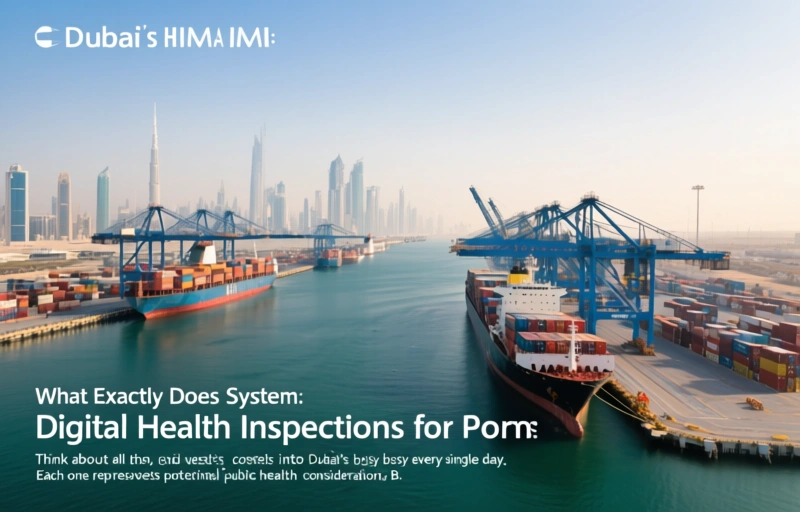
Think about all the ships, tankers, and vessels coming into Dubai's busy maritime ports every single day. Each one represents a potential public health consideration. Before HIMA, health inspections were likely a mix of paperwork, manual checks, and fragmented digital tools. Now, it's all in one streamlined digital platform.
HIMA is dedicated to managing and implementing the entire health inspection process for vessels. We're talking about everything from initial notifications and risk assessments to inspection scheduling, reporting, and clearance. It brings all those moving parts under one digital roof.
### Why This Matters for Dubai (And Everyone Else)
The DHA didn't just build a fancy app. This is a strategic move with real-world impact. First, it massively enhances the readiness of Dubai's public health system. In a world where health threats can travel as fast as a cargo ship, being proactive isn't optional—it's essential.
Second, it cements Dubai's leadership in adopting smart, practical digital solutions. The city has built its reputation on innovation, and HIMA is another solid brick in that wall. It's about using technology not just for show, but to genuinely protect the community from cross-border health risks.
Here’s what the shift to a system like HIMA really means on the ground:
- **Faster Processing:** Digital workflows mean vessels spend less time waiting for clearance, which is crucial for time-sensitive cargo.
- **Better Data:** Having all inspection data in one place allows for smarter analytics and predictive risk modeling.
- **Enhanced Compliance:** Automated tracking ensures nothing slips through the cracks, maintaining high health standards.
- **Stronger Coordination:** Different agencies and port authorities can work from the same, up-to-date information.
It reminds me of upgrading from a scattered pile of sticky notes to a perfectly organized, shared digital calendar. The outcome is the same—managing inspections—but the efficiency, clarity, and reliability are on a completely different level.
### The Bigger Picture: Smart Governance in Action
Sometimes the most impactful innovations are the ones you don't see. HIMA operates in the background, making the complex process of port health inspections smoother and more secure. For professionals working in maritime logistics, public health, or port operations, this isn't just another software launch. It's a fundamental upgrade to their daily working environment.
Dubai's move sets a new benchmark. Other port cities around the region and the world will be watching. How do you balance robust health security with the need for efficient, global trade? Digital integration, like HIMA demonstrates, appears to be a key part of the answer.
In the end, it's a simple but powerful idea: leveraging technology to create a safer, more responsive, and more efficient frontline for public health. That's a win for authorities, for the maritime industry, and most importantly, for the community that depends on the safety of everything coming through its ports.