Dubai Expands Cycling Network with 13 New Tracks
Klaus Schmidt ·
Listen to this article~4 min
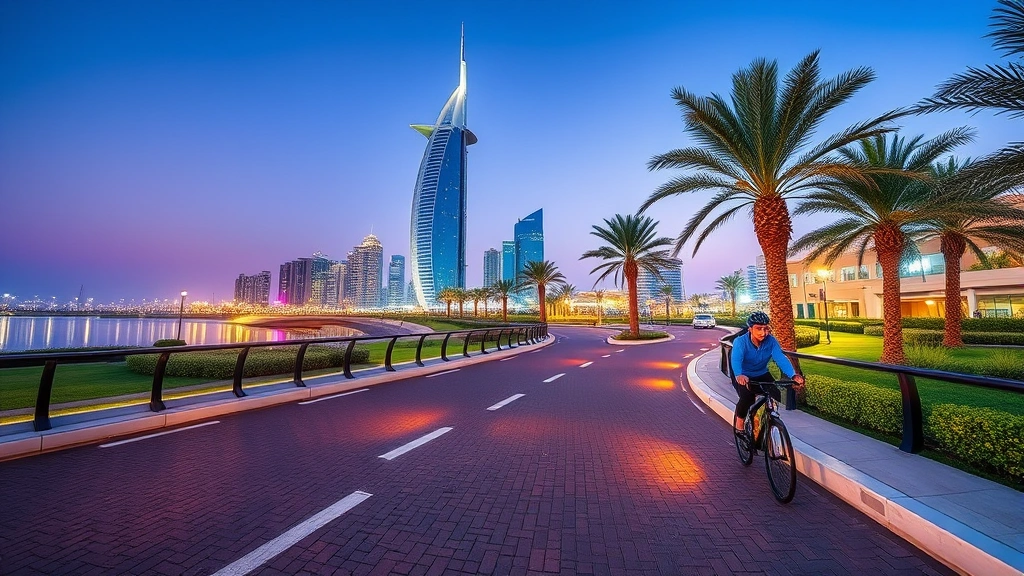
Dubai's RTA completes 13 new cycling tracks, boosting its network to 395 miles. Cycling trips surged to 57.3 million annually as the city aims for a 621-mile network by 2030.
You know, it's funny how cities evolve. One day you're thinking about traffic and parking, and the next, you're watching a city transform itself for two wheels. That's exactly what's happening in Dubai right now. The Roads and Transport Authority just wrapped up a major phase of their cycling master plan, and the numbers are telling a pretty cool story.
They've completed 13 new dedicated cycling tracks. That's not just a few painted lines on the road—we're talking about proper, planned infrastructure. It's part of a bigger vision that will eventually cover 15 separate tracks. When you add it all up, this current phase alone adds about 100 miles of new paths for cyclists. That's a serious commitment.
### What the Numbers Tell Us
Let's talk about the data for a second, because it really shows the shift. Back in 2024, Dubai had about 348 miles of cycling tracks. Fast forward to 2025, and that number jumped to 395 miles. That's a solid increase in just one year. But here's the thing that really caught my eye: the usage. The number of cycling trips skyrocketed from 46.6 million to 57.3 million in that same period. People aren't just getting the infrastructure—they're actually using it.
And they seem pretty happy about it. According to a survey, cyclist satisfaction with the infrastructure sits at a healthy 85%. That's a grade most city planners would be thrilled with. It means they're building the right things in the right places.
### Dubai's Place on the Global Stage
This push hasn't gone unnoticed. The Copenhagen Index, which is kind of the gold standard for ranking bike-friendly cities, now lists Dubai among the top 100 global cities for cycling. That's a huge deal. It means they're being measured against places that have been doing this for decades and are now being recognized for their effort.
Mattar Al Tayer, the Director General of the RTA, put it well. He highlighted that this isn't just about recreation. It's about creating a real, viable alternative for getting around. It's about health, reducing traffic congestion, and offering people more choices in their daily commute. When you give people a safe, pleasant option, they take it.
### The Road to 2030
So where is all this headed? The ambition is clear. The master plan aims to grow the entire cycling network to over 621 miles by 2030. Think about that scale. It's about building a connected web that links communities, business districts, and leisure spots. It's making the bicycle a legitimate part of the city's transportation ecosystem, not just a weekend hobby.
This kind of project doesn't happen overnight. It takes planning, investment, and a belief that the city can be different. Seeing the trip numbers climb the way they have proves the demand was there, waiting for the right infrastructure. It's a classic case of 'if you build it, they will come'—but with a lot of concrete and asphalt.
Watching a city like Dubai, known for its luxury cars and sprawling highways, make this pivot is genuinely fascinating. It shows that even in the most unexpected places, the idea of a quieter, cleaner, and more active city is taking root. They're not just adding bike lanes as an afterthought; they're weaving them into the fabric of the city's future. And if the satisfaction ratings and usage stats are anything to go by, it's a future that residents are eagerly pedaling toward.