Dubai Bus-On-Demand Expands to 4 New Areas After 136% Growth
Klaus Schmidt ·
Listen to this article~4 min
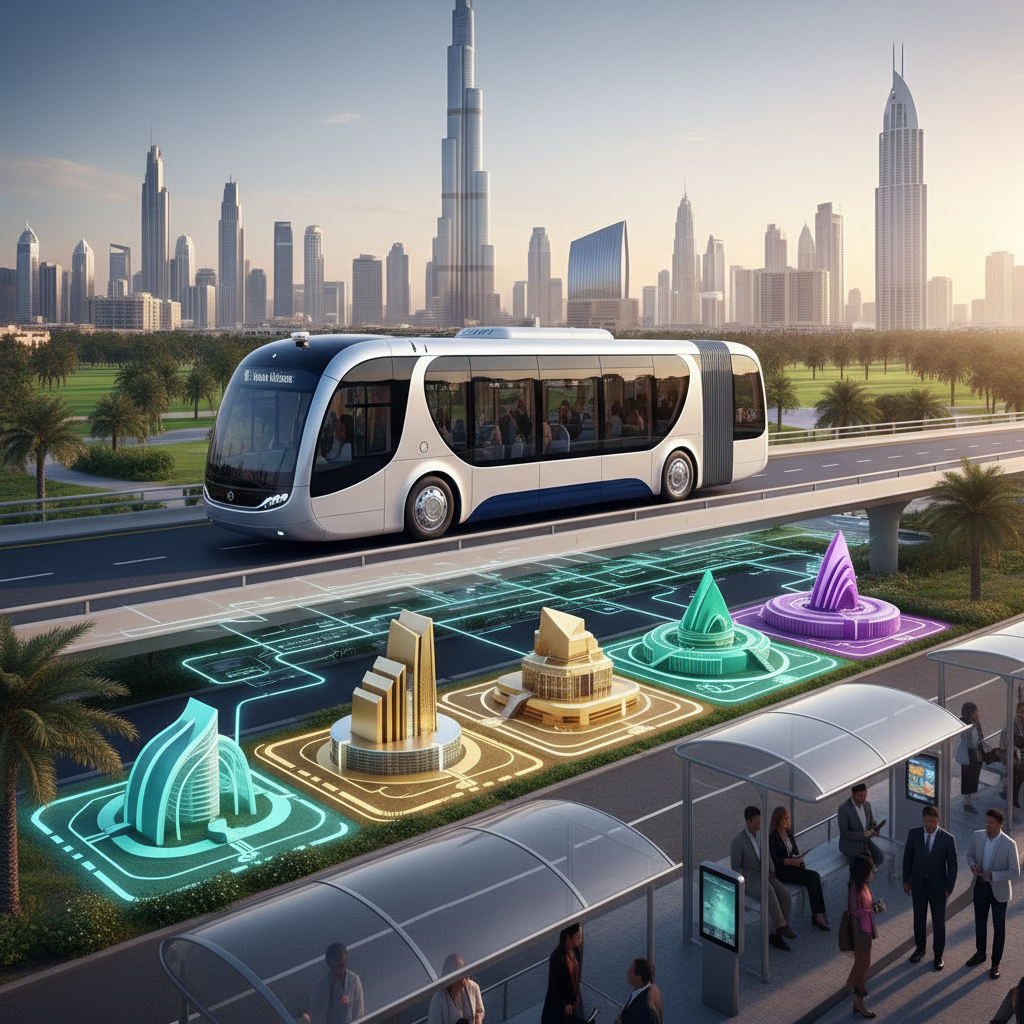
Dubai's Bus-On-Demand service expands to four new areas after a 136% ridership jump. Learn how this affects property values and rental demand for US professionals.
Dubai's public transit is getting a serious upgrade. The Roads and Transport Authority (RTA) just added four new neighborhoods to its Bus-On-Demand service: Al Qusais, Jumeirah Village Circle, Al Warqa'a, and Dubai Investments Park. This isn't just a small tweak—it's a big step toward faster, more flexible city travel.
If you're in the real estate or property management space, you know how much location matters. These areas are popular with residents and investors alike. Having reliable on-demand transit can make a neighborhood way more attractive. And with ridership jumping 136% in 2025, it's clear people are loving this service.
### What is Bus-On-Demand?
Bus-On-Demand is exactly what it sounds like. You request a bus through an app, and it picks you up near your location. No fixed routes or rigid schedules. Think of it like a ride-share, but with a bus. It's designed for short trips within a community or connecting to major transit hubs.
The service uses smart algorithms to group passengers heading in the same direction. So you're not waiting long, and the bus isn't driving empty. It's efficient for you and for the city.
### Why the 136% Growth Matters
In 2024, the service carried about 417,315 riders. By 2025, that number jumped to 984,929—an increase of over 567,000 passengers. That's not just a nice stat; it's proof that people want flexible transit options.
Here's what that growth tells us:
- Residents are ditching cars for short trips
- The app-based booking system is easy to use
- The service fills a real gap in Dubai's public transport network
For property professionals, this is a signal. Areas with on-demand bus service could see higher demand for rentals. Tenants and buyers love convenience. If you can say "you can get a bus on demand in this community," that's a selling point.
### The Four New Areas
Let's break down what each area brings to the table.
#### Al Qusais
This is a well-established residential area with a mix of villas and apartments. It's close to schools, hospitals, and shopping centers. Adding Bus-On-Demand here makes it easier for families to run errands without a second car.
#### Jumeirah Village Circle (JVC)
JVC is a hotspot for young professionals and small families. It's known for its affordable apartments and community vibe. But until now, public transit was limited. The new service will connect JVC to nearby metro stations and commercial areas.
#### Al Warqa'a
Al Warqa'a is a quieter residential zone with larger villas. It's popular among families who want space but still need access to the city. The on-demand bus can help them reach schools, malls, and medical centers without driving.
#### Dubai Investments Park (DIP)
DIP is a mixed-use area with industrial, commercial, and residential sections. Workers and residents here often struggled with transit options. Now they can book a bus for the last mile to their office or home.
### How This Helps Property Professionals
If you're managing rentals or selling properties in Dubai, this expansion is good news. Here's why:
- **Better connectivity** makes areas more attractive to tenants
- **Reduced car dependency** appeals to eco-conscious renters
- **Higher demand** could mean higher rental yields
Think about it. A tenant who doesn't need a car can save on parking and fuel costs. That makes your property more affordable in the long run. And with Dubai pushing toward sustainable transport, properties near these services could see long-term value growth.
### What's Next for Dubai's Transit?
The RTA isn't stopping here. They're already looking at more areas and maybe even expanding the fleet. The goal is to make public transit as convenient as a private car. For now, these four new zones are a big win for residents and investors alike.
If you're in the US market and looking at Dubai properties, keep an eye on these neighborhoods. They're becoming more connected, more livable, and more valuable. And that's exactly what smart investors want.