Dubai's $40.8M EV Charging Expansion in Public Parks
Klaus Schmidt ·
Listen to this article~4 min
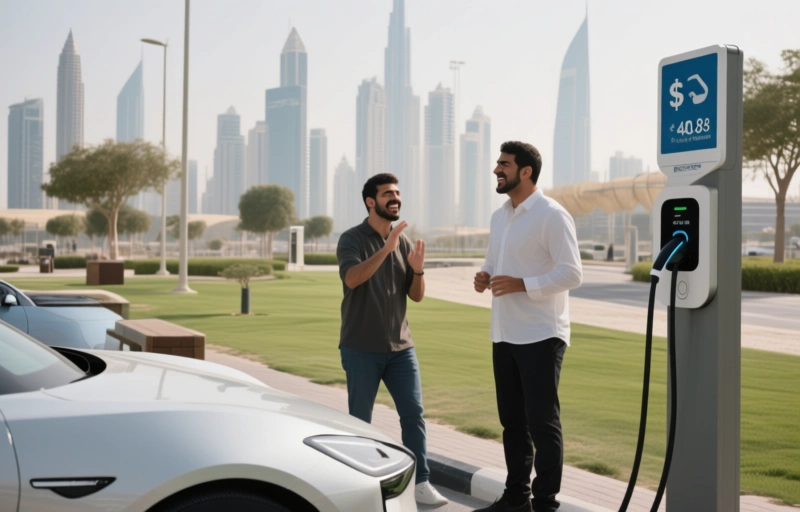
Dubai invests $40.8M to install EV supercharging stations at 600 parking spots in public parks and beaches, boosting sustainable mobility through a public-private partnership aligned with long-term green strategies.
So, you're probably thinking about Dubai and picturing those incredible skyscrapers and luxury everything, right? Well, here's something that might surprise you. The city is making a massive push toward sustainability, and it's starting in the places you'd least expect—your favorite public parks and beaches.
Dubai Municipality just dropped some big news. They're rolling out a huge initiative to install electric vehicle supercharging stations. And we're not talking about a handful of spots. They're targeting 600 parking spaces across public recreational areas. That's a game-changer for anyone driving an EV and wanting to enjoy a day out.
### Why This Move Matters More Than You Think
This isn't just about adding a few plugs here and there. It's a strategic piece of a much larger puzzle. The initiative directly supports Dubai's Greenery and Parks Strategy 2040. Think of it this way: they're not just building parks for today; they're future-proofing them for the next generation of transportation.
It also seriously advances the city's sustainable mobility goals. They're making it easier than ever to choose an electric vehicle, knowing you can charge up while you relax. It removes one of the biggest headaches for EV owners—range anxiety during leisure time.
### The Financial Backbone: A $40.8 Million Partnership
Here's where it gets really interesting. The total planned investment is a staggering 150 million AED. For those of us thinking in US dollars, that's roughly $40.8 million. That's a serious commitment.
The funding is being delivered through a Public-Private Partnership (PPP) model. This approach is brilliant because it aligns perfectly with the Dubai Economic Agenda D33. It means the government and private companies are working hand-in-hand. The public sector sets the vision for sustainable infrastructure, and private partners bring in the capital and technical expertise to make it happen efficiently.
This model spreads the risk and leverages the strengths of both worlds. It's a smart way to get big projects off the ground without straining public funds alone.
### What This Says About Dubai's Vision
Let's take a step back and look at the bigger picture. This move reinforces Dubai Municipality's deep commitment to creating future-ready public spaces. They're not just maintaining parks; they're actively transforming them into hubs that promote both sustainability and modern mobility.
Imagine this: you drive your EV to the beach, plug it in at a supercharging station, and spend the afternoon knowing your car will be ready for the trip home. It seamlessly blends recreation with practical, green technology. It makes sustainable living the easy, default choice.
They're sending a clear message that public infrastructure must evolve. Our parks and beaches should be more than just green spaces; they should be integrated, smart environments that support how we live and move today—and tomorrow.
### The Tangible Impact on Daily Life
So, what does this actually mean for you if you're in Dubai? First, convenience. No more meticulously planning your EV charging around your weekend plans. Heading to the park for a picnic or the beach for a swim? You can top up your battery while you're there.
Second, it encourages adoption. Seeing robust charging infrastructure in everyday leisure locations normalizes electric vehicles. It shows they're a viable, supported option for all aspects of life, not just the daily commute.
Finally, it's about values. By investing in these facilities, the city is publicly prioritizing environmental stewardship and innovation. It's a physical manifestation of their green ambitions, right where people can see and use it every day.
As one urban planner recently noted, 'The true test of a smart city isn't its technology, but how that technology integrates into the human experience.' This initiative seems to pass that test. It's a practical, user-focused step that makes sustainable choices simpler and more attractive for everyone. The future of public space is here, and it's plugged in.